Dubai has a new word, and it is already becoming famous. Just like “Google it” or “Uber it,” the city now has its own term: “Dubai-it.” His Highness Sheikh Mohammed bin Rashid Al Maktoum, Vice President and Prime Minister of the UAE and Ruler of Dubai, launched this campaign this week. The goal is simple but bold — turn Dubai’s work culture into something the whole world can learn and copy. For UAE residents who want to explore everything this incredible city has to offer, visit Ever List for complete guides on places, services, and daily life in Dubai.
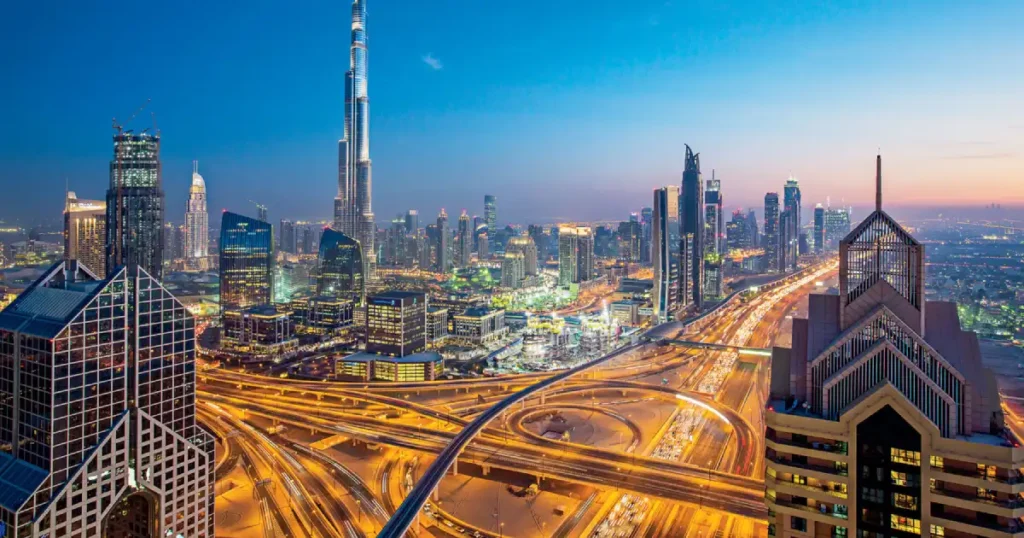
The announcement came with a powerful video. It showed Sheikh Mohammed flying in a helicopter over Dubai, filmed many years apart. In the old footage, he looks down at empty desert sand. In the new footage, the same land is full of skyscrapers, the Burj Khalifa, and Palm Jumeirah. Sheikh Mohammed’s motto has always been simple: “we say what we do, and we do what we say.” That single idea shaped the city’s entire journey.
Why the Dubai-it Campaign Matters
On the surface, Dubai-it is just a name for the city’s work ethic. But there is a bigger plan behind it. By turning its success into a philosophy, Dubai is positioning itself as more than just a business hub. It wants to be seen as a model that other cities and companies can follow. This is called soft power — using ideas and culture, not just money, to influence the world.
The numbers back up this confidence. In the 1960s, Dubai was a small trading town with only about 60,000 people and almost no infrastructure. What came next was not slow growth. It was fast, visible transformation that surprised the entire world.
Key Milestones That Define Dubai-it
Several major projects show exactly what the Dubai-it philosophy looks like in action. Each one started as a bold idea and became a global landmark in record time. For families planning to manage their finances while exploring everything Dubai offers, doing a quick FAB Bank Balance Check online is a simple way to stay updated without visiting a bank branch.
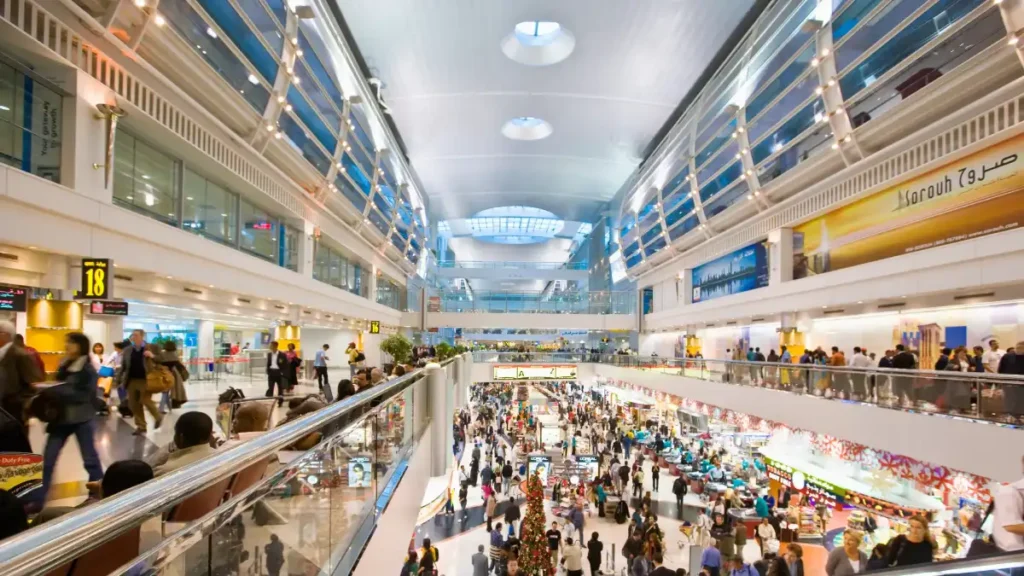
Dubai International Airport opened in 1960 as a small sand runway. Today it is the world’s busiest international airport, handling over 95 million passengers in 2025. Its replacement, Al Maktoum International Airport, will become the largest aviation hub on the planet once finished.
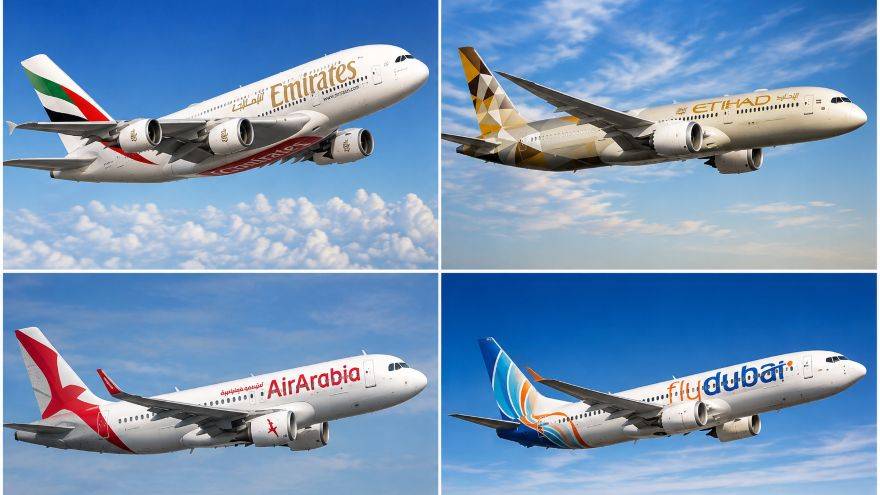
Emirates Airline began with a single flight to Karachi. It has now grown into the world’s most profitable airline, posting record financial results in 2025-26.
The Burj Al Arab opened in 1999, shaped like a sailing boat on a man-made island. It instantly became one of the most recognisable buildings on Earth.
The Dubai Metro launched at exactly 9:09:09pm on 09/09/09. Within 48 hours, more than 110,000 people had already used it. By 2025, it was carrying nearly 295 million riders every year.