Today is Wednesday, October 14, 2026. The US-Iran conflict has passed Day 220, and the situation is entering a new phase: not more fighting, but also not peace. Trump has publicly said he will hold back from major new military strikes on Iran until after the US midterm elections on November 3, citing what he called productive discussions. That sounds like a pause. It is not a ceasefire. The naval blockade of Iranian ports continues. Houthi attacks on Saudi Arabia are ongoing. And the Strait of Hormuz is still one of the most dangerous shipping corridors in the world right now. Here is what every UAE resident needs to know this morning.
Trump Holds Back, But the Blockade Does Not
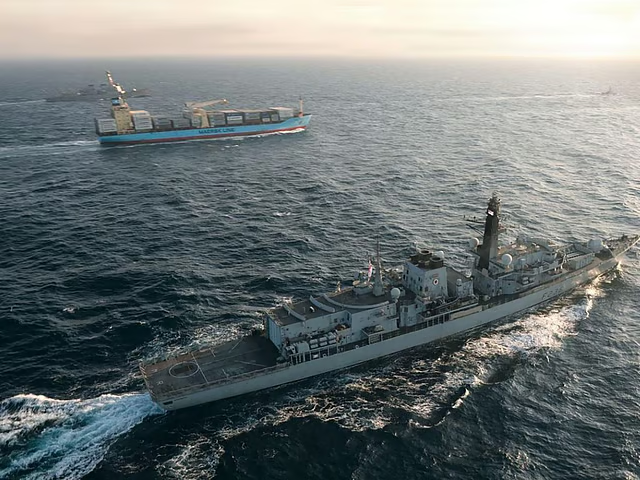
The single biggest development overnight is Trump’s decision to hold off on any major new US strikes against Iran until after November 3. The midterm elections are three weeks away, and a fresh military escalation right now would dominate the political conversation in ways the White House wants to control. Trump described talks as productive. He did not say they were successful. The US naval blockade around Iranian ports has not been lifted. American warships are still turning back vessels, redirecting traffic, and enforcing access restrictions around Iran’s coastline. CENTCOM has redirected 105 vessels through the blockade since it began. The blockade itself is the thing that is keeping oil prices elevated and Hormuz pressure high—not just the missile exchanges. It is a slower, less visible pressure than airstrikes, but it is having a significant economic effect on Iran and on global shipping. If you receive calls from people claiming to offer currency exchange services, oil investment deals, or financial products tied to the US-Iran situation, always verify the number before engaging. Use the Who Called Me From This Number UAE tool to check any unfamiliar caller before you respond.
What Happened at Hormuz This Week
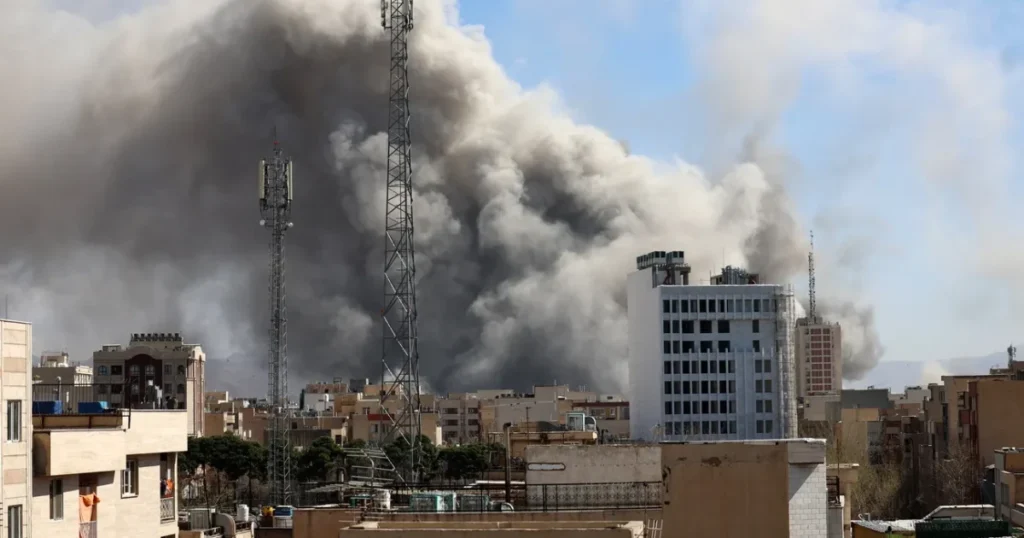
The Strait of Hormuz recorded six vessel attacks on a single day—Sunday, October 11. That is the highest number of attacks in one day since the conflict began. Iranian forces targeted oil shuttle vessels and ship-to-ship transfer operations that the US has set up as a workaround to the Hormuz blockade. The ship-to-ship transfer system works by moving Gulf oil from smaller tankers to larger ones outside the strait, avoiding the most contested areas of the waterway. Iran has specifically threatened this system and is attacking the vessels involved. Traffic through Hormuz itself is now 75 percent below normal levels. Fujairah, the UAE’s key oil storage and bunkering hub on the east coast, has also seen drone and missile activity in recent periods. Fires at some facilities have been reported and controlled. Loading and bunkering operations have faced temporary disruption. No mass casualties have been confirmed in the latest incidents. The oil market impact is real. The IMF has now cut its growth forecast for the Middle East specifically because of the war and the Hormuz disruption. UAE markets have shown mixed and modest movements, but import cost pressures are building across supply chains as freight rates remain elevated.
Saudi Flights What Is Cancelled Today
Houthi forces have continued striking Saudi Arabia, including attacks on King Khalid International Airport in Riyadh. That has caused extended disruption to UAE airline services on Saudi routes that is continuing today. Emirates, Etihad, flydubai, and Air Arabia have all cancelled or significantly disrupted multiple services to Saudi cities, including Riyadh, Jeddah, Dammam, and Abha. Some of these cancellations are confirmed through October 14 and possibly beyond. There is no blanket suspension of UAE flights overall. Dubai International Airport and Abu Dhabi International Airport are both open and operating. Iranian airline services remain suspended across the UAE. If you are flying anywhere today or this week, check your airline app before leaving home. Do not rely on information from WhatsApp groups or unverified social media posts. Schedules are changing fast, and the only reliable source is your carrier’s official app or website. If your travel budget has been disrupted by cancellations or rebooking fees, a quick FAB Balance Check Online helps you stay on top of your account and plan what is available before making any new bookings.
Daily Life in the UAE What Is Normal, What Is Not
Schools are open. Businesses are running. Shopping malls, hospitals, and government services are all functioning normally. There is no indication of any general shutdown coming inside the UAE. The practical disruptions residents face right now are largely economic and logistical rather than security-related. Fuel prices are elevated because of oil market volatility. Some imported goods are taking longer to arrive and costing more because of the freight and shipping disruption. If you are planning travel to Saudi Arabia or any country near the conflict zones, check your country’s official travel advisory before booking. The UK and Australia currently treat the UAE as open for travel but advise elevated caution because of regional unpredictability. The US State Department maintains a Level 3 advisory for the UAE, “Reconsider Travel,” citing “drone and missile threats and past Iranian statements about US-linked targets in the region. That does not mean the UAE is unsafe for most daily activities. It means Washington is being cautious given the broader picture.
Security: What to Do and What to Avoid
UAE authorities have been consistent on this throughout the conflict. Follow official channels only. The National Emergency Crisis and Disaster Management Authority (NCEMA), the Ministry of Defence, the Ministry of Foreign Affairs, and your local police are the sources you should trust. Do not share or act on unverified information circulating on social media or in WhatsApp groups. Rumors during active conflicts spread faster than facts and cause unnecessary panic. The UAE has expressed solidarity with Saudi Arabia following the Houthi attacks and has condemned Iranian targeting of commercial vessels and ADNOC-linked ships. Air defense systems have engaged incoming threats in past incidents. There is no public indication of any immediate direct threat to UAE territory as of this morning, but the situation is described as fluid with risks of further escalation through shipping disruptions and proxy activity. In uncertain times, keeping your phone connected and your communications reliable is more important than usual. If you use Etisalat, make sure your credit stays active by checking How to Check Balance in Etisalat so you can always reach your family, your employer, or emergency services without interruption.
What Today Looks Like in Practical Terms
| Area | Current Status | What to Do |
|---|---|---|
| UAE Daily Life | Normal — schools, offices, malls, hospitals all open | Continue normal routine. Stay alert to official updates |
| Flights — Saudi Routes | Multiple cancellations confirmed — Emirates, Etihad, flydubai, Air Arabia | Check your airline app before leaving for the airport |
| Flights — Other Routes | Mostly normal with some delays on regional routes | Allow extra time. Iranian services suspended entirely |
| Strait of Hormuz | 75% below normal traffic. 6 vessel attacks on Oct 11 | No direct action needed. Monitor fuel and import prices |
| Fujairah | Drone activity reported. Facilities operational with some disruption | Follow official ADNOC and port authority updates |
| Oil and Fuel Prices | Elevated. IMF cut Middle East growth forecast | Expect prices to stay higher. Plan monthly budgets accordingly |
| Security Inside UAE | No indication of imminent direct threat. Air defences active | Follow NCEMA and official channels only. Avoid rumours |
| US Military Posture | No new major strikes planned before Nov 3 midterms. Blockade continues | Monitor diplomatic developments over the next three weeks |
Day 220 of this conflict, and the pattern is becoming clearer. The fighting has slowed but the pressure has not. The blockade continues, Hormuz remains disrupted, and the economic consequences are working their way through supply chains and fuel markets across the Gulf. The next three weeks, through the US midterms, are likely to be the quietest the conflict has been since it began—but quiet in this context does not mean resolved. For more UAE news updates and helpful guides about life in the UAE, visit Ever List.