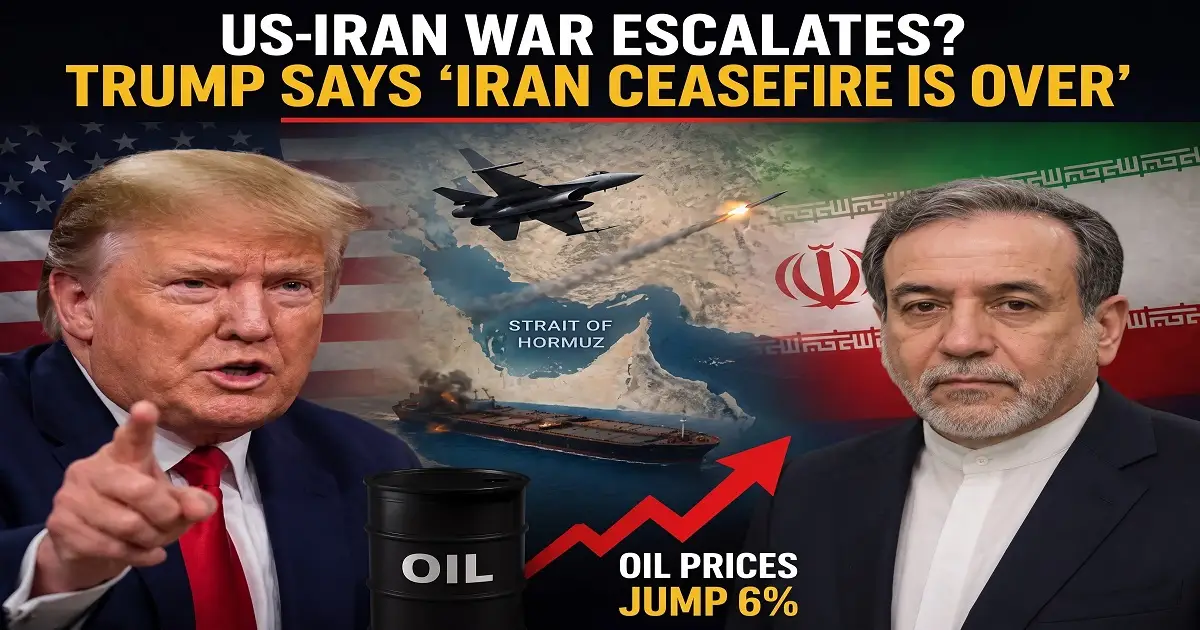
The fragile ceasefire between the United States and Iran has collapsed. On Thursday, July 9, 2026, the US launched its largest military operation since the truce was signed, striking around 90 targets across Iran. Tehran responded with missile and drone attacks on US military facilities in Kuwait and Bahrain. Air raid sirens sounded across the Gulf. Oil prices jumped. And the Strait of Hormuz — the world’s most critical oil shipping lane — is once again at the centre of a dangerous standoff.
What the US Struck and Why
US Central Command confirmed that the operation targeted approximately 90 military and strategic locations inside Iran. These included an IRGC Aerospace Force facility in Bushehr, which reportedly caught fire following the strikes. The US also hit port infrastructure at Chabahar — Iran’s only ocean-facing commercial port and a key logistics hub outside the Persian Gulf — marking the first strike there since the ceasefire took effect. Transportation links in Golestan province and facilities near Iranshahr Airport in southeastern Iran were also targeted. Iranian media reported that a firefighter was killed after the airport’s operations building and meteorological station were damaged. US President Donald Trump warned Tehran that any further attacks on shipping or American forces would trigger even stronger military action. The renewed strikes came after attacks on at least three commercial vessels transiting the Strait of Hormuz, which Washington blamed on Iran. During times of regional tension like this, staying on top of your personal finances is important. A quick FAB Balance Check online keeps your account details in order without any need to visit a branch.
Iran Fires Back at Kuwait and Bahrain
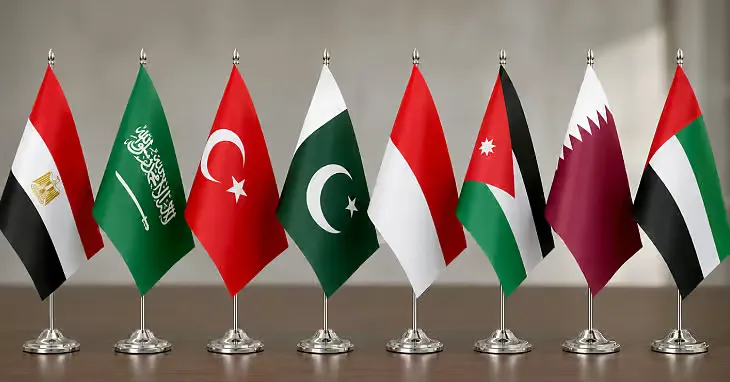
Iran did not stay silent. Tehran launched a wave of missiles and drones targeting US military facilities in Kuwait and Bahrain. Gulf air defence systems intercepted the attacks, and both countries acknowledged the hostile aerial threats. Qatar also briefly activated precautionary measures amid fears the conflict could spread further across the region. The scale of the Iranian response — and the fact that it reached across multiple Gulf states — has raised alarm bells from Riyadh to Abu Dhabi. Diplomats and security analysts say the coming days will determine whether this remains a contained exchange or escalates into a far wider regional war.
Iran Refuses to Fully Reopen Hormuz
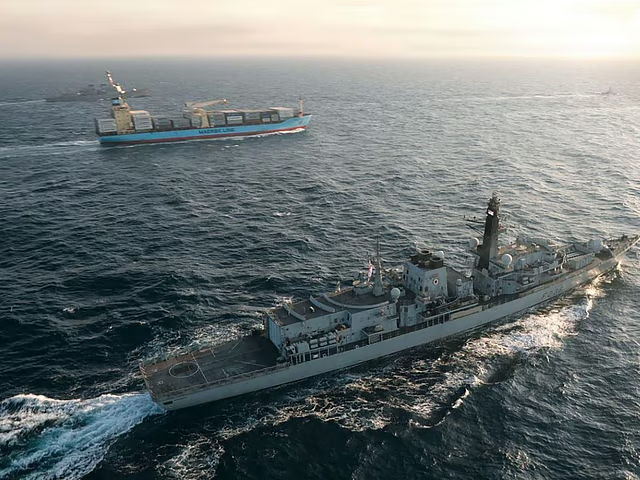
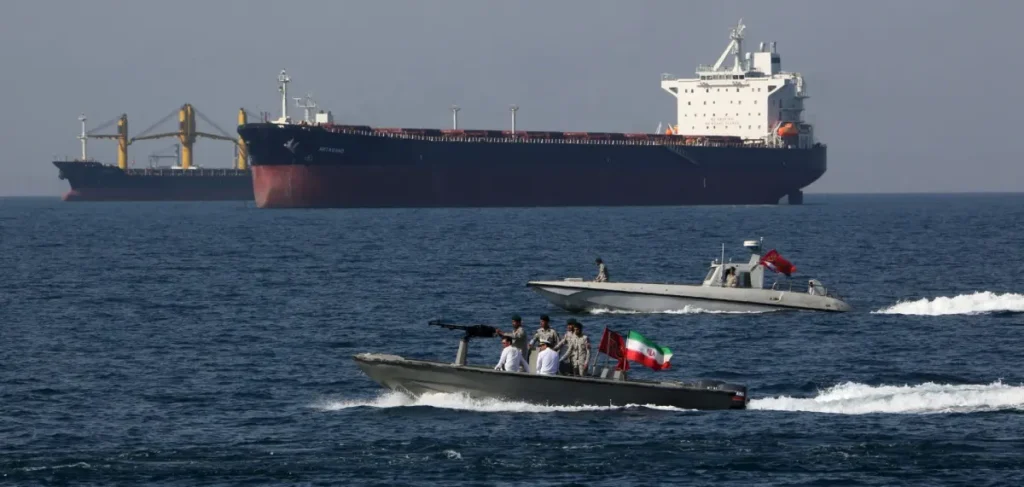
At the heart of this crisis is the Strait of Hormuz. Around one-fifth of the world’s traded oil passes through this narrow waterway every day. Iran’s chief negotiator made clear that Hormuz would only reopen under what Tehran called “Iranian arrangements.” This means Iran intends to keep its grip on the strait as a bargaining chip, refusing international calls to restore fully unrestricted navigation. The US says its latest strikes were specifically designed to reduce Iran’s ability to threaten commercial shipping through Hormuz — targeting missile launchers, drone infrastructure, command centres, coastal surveillance systems, anti-ship capabilities, and logistics hubs. The standoff over Hormuz is what brought the ceasefire to its breaking point, and it remains the single biggest flashpoint keeping markets and governments on edge. If you are travelling or based in the Gulf and need to make sure your phone stays active for emergency updates, it helps to know How to Check Balance in Etisalat quickly so your line never goes quiet at a critical moment.
Oil Markets React — Prices Jump
Energy markets reacted immediately to the news of the ceasefire collapse. Oil prices rose sharply as traders priced in the risk of prolonged disruption to Gulf shipping lanes. Analysts warned that any sustained restrictions through Hormuz could tighten global oil supplies and push up inflation worldwide. Gulf stock markets also weakened as uncertainty spread across financial centres. The Chabahar strike was particularly significant — it marks a clear shift in Washington’s strategy toward hitting infrastructure that supports Iran’s maritime operations beyond the Persian Gulf, signalling that the US is prepared to expand the conflict’s geographic scope if Iran does not back down on Hormuz.
What UAE Residents Should Know Right Now
For people living and working in the UAE, this escalation is important to follow closely. The UAE sits in the heart of the Gulf and has strong economic and diplomatic ties across the region. While the UAE has not been directly targeted, the situation in Kuwait and Bahrain shows that no Gulf state is entirely out of reach of this conflict. Residents are advised to stay updated through reliable news sources, keep important documents accessible, and follow any guidance issued by UAE authorities. Fuel prices, supply chains, and financial markets across the UAE and the wider Gulf may all be affected if the situation continues to deteriorate. During sensitive periods like this, fraud and scam calls often increase as bad actors try to take advantage of people who are distracted or worried. Always check before calling back an unknown number — use the Who Called Me From This Number UAE tool to quickly identify any unfamiliar caller and protect yourself.
This is a fast-moving and serious situation. The collapse of the US-Iran ceasefire on July 9, 2026 is one of the most significant developments in the Gulf since the conflict began. For the latest updates and useful guides about life in the UAE, visit Ever List.