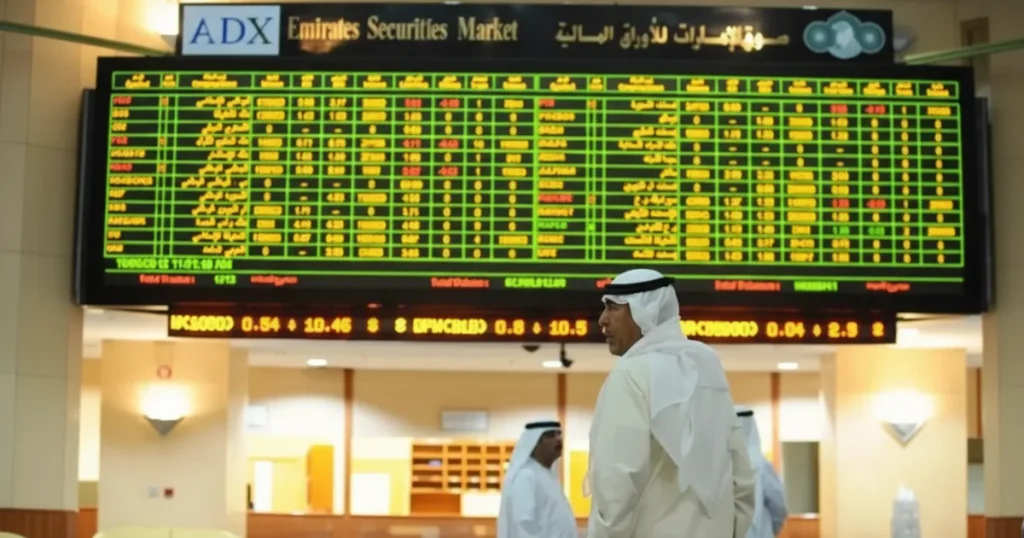
The United Arab Emirates has declared a temporary closure of its major stock exchanges in Dubai and Abu Dhabi for two days due to surging regional tensions. This precautionary move is to protect the investors and to keep the economy financially stable during a time of uncertainty. The decision affects major financial activities such as trading involving top Companies in Dubai, which are part of the country’s economy.
Reason for Closing the Market
Authorities said the temporary shutdown, scheduled for two days from March 2 to March 3, is a precautionary measure. The decision comes amid rising tensions and conflict involving Iran, Israel, and the United States that have led to more uncertainty in markets worldwide.
Importance of Dubai’s Financial Hub
Dubai has established itself as a leading financial and business center in the Middle East. The city attracts investors from around the globe and has multinational companies from different sectors. Areas such as Downtown Dubai have a reputation for housing large corporate offices, financial institutions, and investment firms. Any disturbance in the trading activity here can affect not only the UAE economy but also the financial markets of the region.
Role of Abu Dhabi in the Economy
Abu Dhabi, as the capital of the UAE, plays a key role in enhancing the country’s economy with its robust energy sector and sovereign wealth funds. The Abu Dhabi stock market is an important platform for large-scale companies of large scale with government linkage. The coordinated closure of both the Dubai and Abu Dhabi markets demonstrates a united attempt to guarantee financial stability.
Impact on Businesses and Investors
In spite of the temporary shutdown, the economic fundamentals of the UAE are firm. Many Abu Dhabi Companies continue to do well because of stable revenues and continuing diversification efforts. However, short-term disruptions are anticipated due to investors pausing their trading activities and closely watching what is happening in the region.
Government’s Strategic Approach
The government of the UAE has taken a proactive approach by closing markets early rather than reacting after major losses occur. This strategy has been effective in past crises, helping maintain financial stability and investor trust during uncertain times.
Global Market Reactions
International markets are also reacting to the ongoing conflict. Oil prices, in particular, have shown signs of volatility due to fears of supply disruptions. As a key player in the global energy market, the UAE is closely linked to these developments.
Future Outlook
The opening of the stock markets again after March 3rd will be closely monitored by investors. A stable reopening may help to restore confidence, but ongoing tensions may cause more caution in the markets. Authorities are expected to be on the lookout and take other measures if necessary.
Conclusion
The temporary closure of Dubai and Abu Dhabi stock markets is indicative of the serious impact of the Iran-Israel-US conflict on the stability of the region. While the move may cause some short-term disruption, it is a strategic move to ensure the financial system in the UAE remains protected and that investor confidence is maintained during a time of uncertainty.
For more business insights and updates, visit Ever List