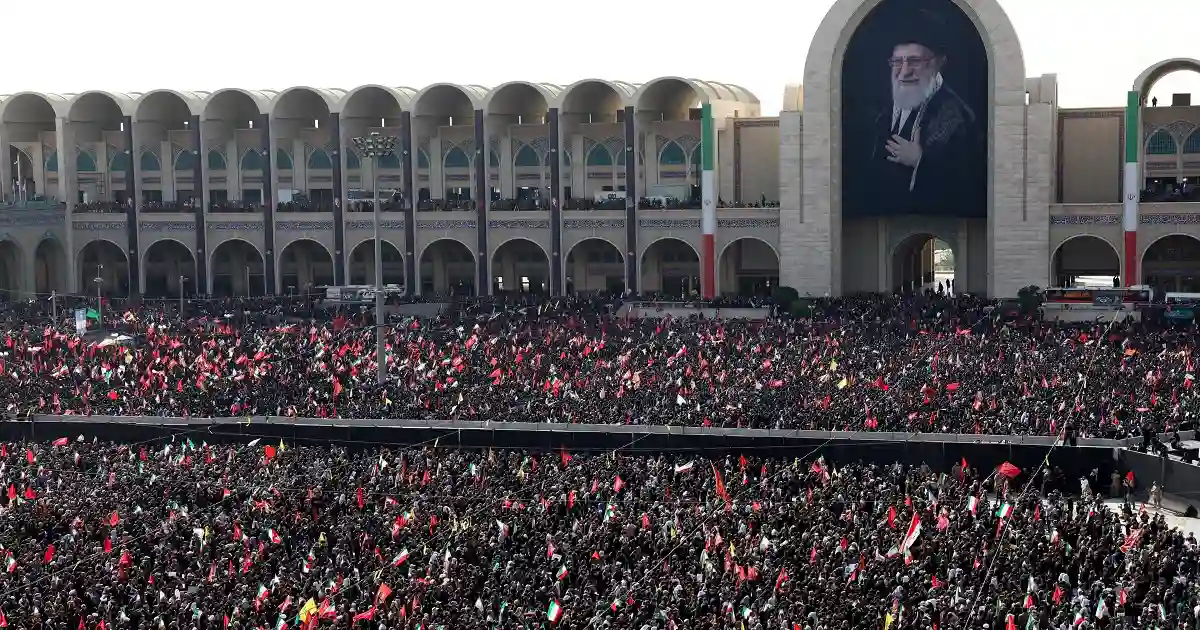
Millions of people flooded the streets of Tehran on Saturday, July 4, 2026, for the start of a multi-day state funeral for Iran’s slain Supreme Leader, Ayatollah Ali Khamenei. Dressed mostly in black, mourners beat their chests, wept, and chanted slogans as Khamenei’s coffin was placed on display beneath a glass case at the Imam Khomeini Grand Mosalla — Iran’s largest prayer complex and the traditional venue for major state ceremonies. The scene was one of the most powerful public gatherings in the country’s modern history, with Iranian officials estimating that 15 to 20 million people could attend the full week of ceremonies.
How Khamenei Died
Ayatollah Ali Khamenei, 86, was killed on February 28, 2026, in a joint US-Israeli airstrike that targeted his residence in central Tehran. The strike also killed several members of his family, including a 14-month-old granddaughter. Their coffins were also placed on display alongside his at the Grand Mosalla. Iran announced 40 days of national mourning and seven public holidays following his death. The funeral was originally planned for early March but was repeatedly postponed due to the ongoing war. The dates of July 4 to 9 were eventually chosen for the full ceremony, with processions planned across Tehran, Qom, and the Iraqi cities of Najaf and Karbala before burial in Mashhad near the shrine of Imam Reza. During this period of uncertainty and unrest across the region, keeping your personal finances in order is important. You can do a quick FAB Balance Check online anytime to stay on top of your account without needing to visit a branch.
Scenes From the Funeral
Footage from Iranian state media and international news agencies showed enormous crowds gathering from the night before the ceremony even began. Water mist fans were installed across the Grand Mosalla to help mourners cope with temperatures reaching 36 degrees Celsius. Thousands wrote messages of grief on a black concrete wall near the platform where the coffins were placed, draped with Iranian flags. Women carried bouquets of white flowers while others held portraits of Khamenei. Billboards across the city displayed his image. The atmosphere was one of deep public emotion, with prayers echoing through loudspeakers across the complex and surrounding streets. Tehran’s airspace was partly closed from Friday and completely shut on Monday to prepare for an 11-kilometre funeral procession to Azadi Square. All public and private offices in Tehran were ordered shut from Saturday through Monday, and much of the city centre was closed to private vehicles.
World Leaders and Delegations Attend
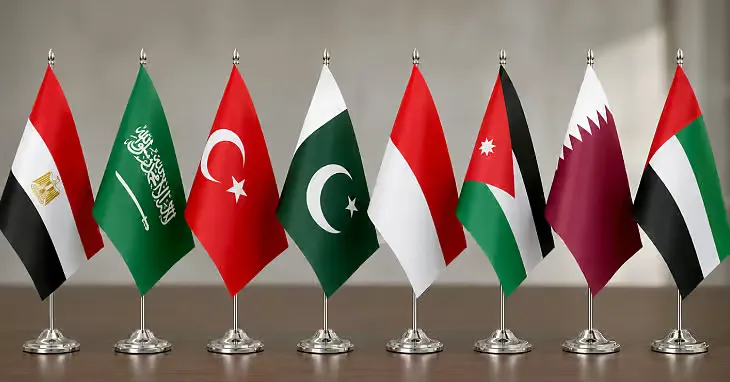
Delegations from around 30 countries attended the funeral, though Western nations were notably absent. Russia sent former President Dmitry Medvedev. Pakistani Prime Minister Shehbaz Sharif attended alongside army chief Asim Munir. India was represented by Lieutenant General Syed Ata Hasnain and Foreign Affairs Minister Pabitra Margherita. Turkey sent Vice President Cevdet Yılmaz. Leaders from Armenia, Georgia, Tajikistan, Kazakhstan, Turkmenistan, and Azerbaijan also attended. Officials from Hamas, Hezbollah, and the Houthis were also present. Iran’s new IRGC top commander Ahmad Vahidi appeared in public for the first time since the war began, paying his respects beside Khamenei’s coffin. He had not been seen publicly since February 8, weeks before the war started. If you are an Etisalat user following these global events on your phone, it helps to always be connected — learn How to Check Balance in Etisalat quickly so your phone stays active whenever breaking news happens.
Security Warnings and Tensions
The IRGC issued a sharp warning ahead of the funeral, saying that any attempt to target the country during the ceremonies would be met with a decisive and crushing response. Israel’s Defence Minister Israel Katz had earlier said the new Supreme Leader, Mojtaba Khamenei, was marked for death — a comment that raised tension significantly in the days before the ceremony. US President Donald Trump, however, told reporters he was giving Iran a break for the funeral period. Trump said his administration could have targeted those gathered but chose not to as there would be no one left to negotiate with — a remark that reflected the fragile diplomacy continuing between Washington and Tehran. Iran paused its indirect nuclear and peace talks with the US during the funeral week, with the next round of discussions expected in Doha, Qatar, after the ceremonies conclude. During sensitive political times like these, scam and fraud calls tend to increase across the region. Protect yourself by using the Who Called Me From This Number UAE tool to check any unknown number before calling back.
Ayatollah Ali Khamenei ruled Iran for more than three decades. His state funeral is expected to be the largest in Iran’s history. For more world news and useful UAE guides, visit Ever List.