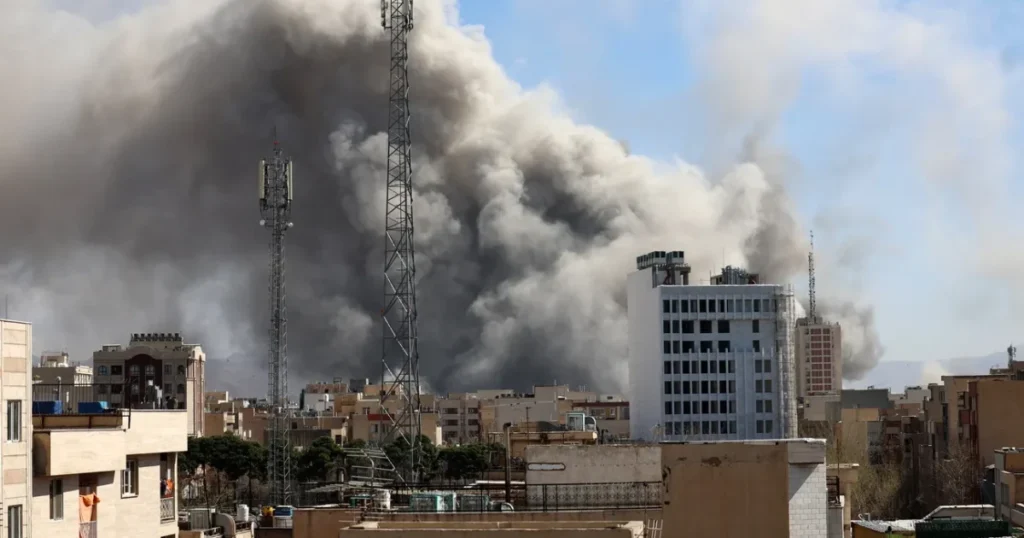
The Middle East war is now in its 166th day and Iran is running out of patience. Tehran has given Washington what a senior Iranian official described to Reuters as “a few weeks” to meet its demands before Iran shifts to a fully offensive military posture. Oil is above $91 a barrel. Hormuz is effectively shut. Kurdish officials in Iraq are blaming Iranian drones for attacking the office of their prime minister. And the Houthis are claiming fresh attacks on Saudi vessels in the Red Sea. This is the most dangerous moment of the conflict so far.
Iran’s Demands Are Getting Bigger
Iran laid out its conditions again this weekend. The list has grown. Tehran is demanding $300 billion in reconstruction funds for damage caused during the conflict. It wants all frozen Iranian assets released. It wants the US naval blockade around Iranian ports lifted completely. It wants an end to the war on all fronts. And it wants a permanent resolution over the Strait of Hormuz. That $300 billion reconstruction demand is the biggest change. It was not part of the original June memorandum of understanding. It is a new number, a massive one, and it signals that Iran is raising its price the longer this goes on. Washington has not responded publicly to the updated demands. If you receive calls from unknown numbers offering currency exchange services, investment advice, or financial products linked to the regional conflict, always verify the caller first. Use the Who Called Me From This Number UAE tool to check any unfamiliar number before sharing your personal information.
Hormuz Is Almost Completely Shut
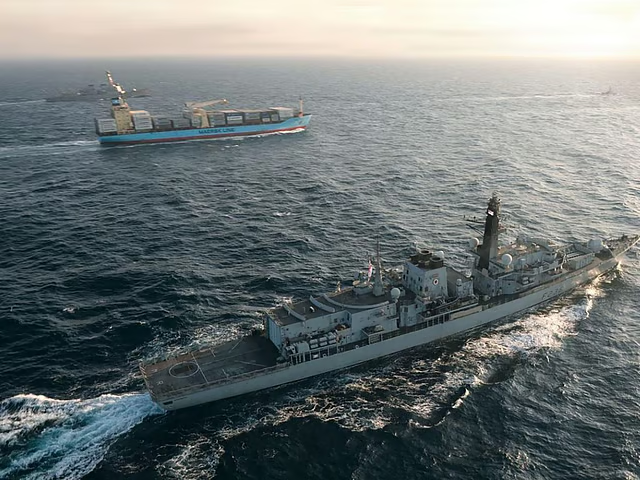
The numbers from the strait are stark. Only five commodity vessels crossed on Saturday. On Sunday, not a single one crossed. The previous weekend saw 31 vessels transit. That is a collapse in shipping traffic that has no recent parallel in the history of the waterway. Brent crude has now climbed above $91 a barrel as energy markets try to price in how long this disruption can last. For context, the Strait of Hormuz normally handles around 20 per cent of the world’s traded oil and liquefied natural gas every single day. When traffic drops to zero, the effect on global energy prices is fast and significant. The US military has been escorting some commercial vessels through the strait under naval protection, but that process is slow, limited in capacity, and not a long-term solution. The longer Hormuz stays this restricted, the worse the economic consequences for the entire world.
The Conflict Is Now in Its Fifth Month and Changing Shape
Something important has shifted in the nature of this conflict. In the early months, the US had a clear military objective: degrade Iran’s military capabilities and restore deterrence. That mission has been largely achieved. US strikes have significantly weakened Iran’s missile and drone systems, damaged its air defence network, reduced its naval threat capacity, and limited Tehran’s ability to rebuild its forces quickly. But Iran has changed its strategy in response. Instead of trying to match the US militarily, Tehran is now focused on raising the cost of the conflict through maritime disruption, economic pressure, and prolonging the standoff indefinitely. Iran is betting that Washington will eventually want a deal more than it wants to keep fighting. That calculation may or may not be correct. But it explains why the conflict has moved from military escalation to what analysts are calling political attrition. Both sides know a full military resolution is not coming. The question is who blinks first on terms. Keeping your finances organised and accessible during a prolonged period of economic uncertainty is important. A quick FAB Balance Check Online shows you exactly where your account stands without visiting a branch.
Iraq’s Kurdish Region Blames Iran for Drone Attack
One of the most alarming developments on Monday was an attack on the office of Kurdistan Region Prime Minister Masrour Barzani in Iraq. Kurdish authorities said Iranian drones struck the prime minister’s personal office and the home of the head of the region’s security and intelligence agency. No casualties were reported. Iraq has opened a formal investigation. Iran’s Foreign Minister Abbas Araghchi condemned the attack and urged Iran’s Kurdish allies to stay alert to what he called “false flag” operations designed to inflame tensions. Whether that denial holds up under investigation remains to be seen. Kurdish officials were unambiguous in blaming Iran, and the timing of the attack — during active US-Iran negotiations — raises serious questions about what Tehran is trying to achieve by escalating inside Iraq at this moment.
Houthis Strike Saudi Vessels in the Red Sea
Yemen’s Iran-aligned Houthi movement claimed to have attacked Saudi vessels off the port of Mocha in the Red Sea on Monday. Saudi authorities had not confirmed the attack at the time of writing. The Houthis have continued their maritime campaign throughout the conflict, targeting commercial and military shipping across the Red Sea and Gulf of Aden. Their operations have made insurance rates for vessels in the region extremely high and pushed many shipping companies to use longer routes around Africa rather than through the Red Sea and Suez Canal. That adds time and cost to global trade flows. The Houthi campaign is a direct extension of Iran’s Hormuz strategy: create as many pressure points as possible across the region simultaneously to force a settlement on Tehran’s terms. If you are in Fujairah and looking for a way to unwind during a tense news week, catching a film is always a good option. Check out the latest listings and showtimes at Galaxy Cinemas in Fujairah for the most current schedule.
Trump’s Hormuz Claim Adds a New Layer of Tension
Earlier this week, Trump made a statement that surprised even his own advisers. He told reporters that the US would declare the Strait of Hormuz American territory “pretty soon.” Iran immediately rejected the claim, calling it legally baseless and an act of aggression. The strait runs between Iran and Oman. Under international maritime law, it is an international waterway with rights of innocent passage guaranteed to all nations. No country can unilaterally claim ownership of it. Trump’s statement may have been posturing designed to put pressure on Tehran. But it landed badly in the region and added another layer of uncertainty to negotiations that were already fragile. Oman, which has been one of the key mediators between the US and Iran, is still actively involved in talks over Hormuz arrangements. Whether Trump’s comment complicated Oman’s mediation role behind the scenes is not yet clear.
The conflict is five months old, still dangerous, and showing no clear sign of ending quickly. For the latest news and useful UAE guides, visit Ever List.