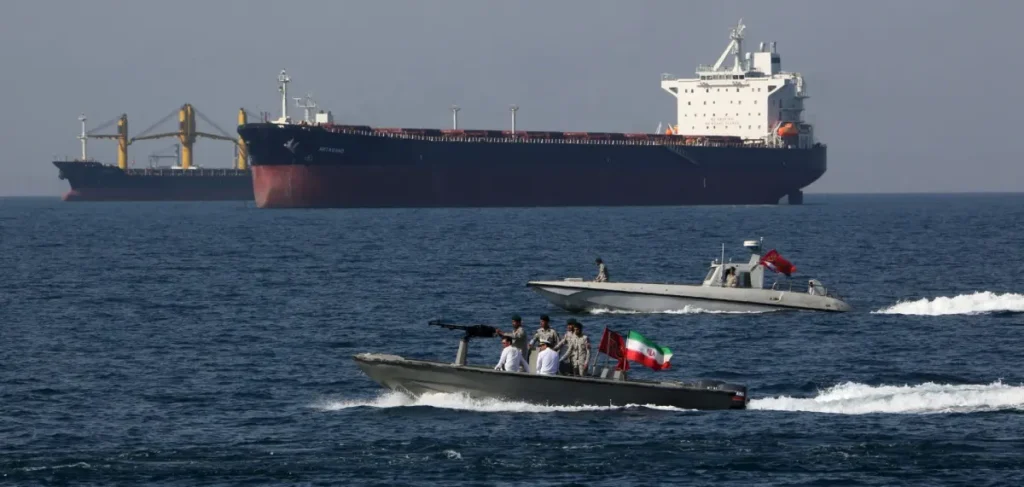
Iran is keeping the Strait of Hormuz largely closed. Not because it cannot reopen it. But because it does not want to. Not yet. Tehran is holding Hormuz as its most powerful card in negotiations with Washington, and it is not putting that card down until it gets what it was promised in June. That is the real story behind why the strait is still blocked and why a deal keeps feeling close but never quite arriving.
What Iran Actually Wants
On Saturday August 9, Iranian security chief Mohammad Bagher Zolghadr laid out Tehran’s conditions for reopening Hormuz. Most of them are not new. They mirror almost exactly what was already agreed in the June 17 memorandum of understanding between the US and Iran. The list includes lifting the US naval blockade around Iranian ports, removing sanctions on Iranian oil and petrochemical exports, releasing Iran’s frozen assets held overseas, withdrawing US military forces from around Iran, and ending attacks on Iran and its regional allies. The one new addition that was not in the June MOU is Iran’s demand for war compensation — reparations for damage caused during the conflict. That is the new ask, and it is a significant one. If you ever receive unknown calls claiming to offer investment deals, currency exchange services, or financial advice tied to the Iran-US conflict, do not engage before verifying the number. Use the Who Called Me From This Number UAE tool to check any unfamiliar caller before sharing any personal details.
Why Iran Will Not Open Hormuz First
The logic behind Iran’s position is actually quite straightforward. Esfandyar Batmanghelidj, founder of the Bourse and Bazaar Foundation, explained it clearly to The New York Times. He said Iranian officials are worried that if the strait opens before Washington delivers on its commitments, Trump will simply walk away from the conflict without resolving anything. Hormuz is the one thing that keeps Trump at the table. Once it reopens, Iran loses its strongest piece of leverage. Ali Vaez, Iran project director at the International Crisis Group, described Hormuz as a “sword of Damocles over Trump.” He said Iran wants to front-load the benefits it was promised without giving up the main thing that forces Washington to keep talking. So the calculation in Tehran is simple. Do not give away your best card before you get paid. Keep Hormuz restricted until the US delivers on what was signed in June. The economic uncertainty caused by the conflict affects everyone in the Gulf region. A quick FAB Balance Check Online helps you stay on top of your finances during volatile periods without needing to visit a branch.
The Oman Deal and the US Deal Are Two Different Things
This is the part that confuses a lot of people following the news. Iran and Oman are close to finishing a technical agreement about how shipping would physically move through Hormuz. Iranian Foreign Minister Abbas Araghchi said on Sunday that talks with Oman were “progressing well and in final stages.” But he was also very clear about what that does not mean. Completing the Oman deal does not automatically reopen the strait. Araghchi said directly that an agreement with Oman “does not mean reopening the strait, which remains dependent on fulfilling conditions conveyed through mediators.” So there are two separate tracks. The Oman track deals with the technical arrangements of how ships would move through the waterway. The US track deals with whether Iran is actually prepared to let that happen. Right now, the second track is stuck. And until Washington delivers on the June MOU, Iran has no intention of letting the first track matter.
Is This About Fees and Tolls?
Not really, according to the analysts who know Iran best. Sanam Vakil, director of the Middle East and North Africa programme at Chatham House, was direct about this. She told The New York Times that the strait is “not about fees, it’s about control and leverage for the rest of the package.” Keeping Hormuz restricted also applies pressure well beyond Washington. Higher energy prices hurt countries all over the world, and Gulf states that rely on the strait for their own oil exports have a very strong reason to push the US and Iran toward a deal. That global pressure is part of Iran’s strategy too. The more pain Hormuz causes internationally, the more urgency builds on Washington to resolve the situation. There are also divisions inside Iran itself. Some officials want diplomacy and economic reconstruction. Hardliners are suspicious of Washington and do not want to give up Iran’s leverage before concrete benefits arrive in their hands. That internal split complicates Tehran’s negotiating position. Keeping your phone connected for breaking news updates from the Gulf is important right now. Take a moment to check How to Check Balance in Etisalat so your line stays active whenever major developments emerge.
What Happens Next?
Trust is the biggest problem. Batmanghelidj said the critical issue is not the size of the concessions being asked for — it is whether Washington can actually demonstrate that it will honour what it commits to. Iran has been burned before in diplomatic agreements with the US. That history makes Tehran reluctant to move first. Vakil described the June memorandum as “the floor from which everyone will try to build a structure for a deal” — but added that “we’re far away from that.” Until that trust gap narrows, Iran is likely to keep Hormuz largely closed. Not because the technical arrangements cannot be worked out. Those are nearly done. But because letting ships through Hormuz is the last piece of real pressure Tehran holds over Trump. And in Tehran’s view, releasing that pressure before getting paid in full would be a very bad deal.
The Strait of Hormuz is not just a shipping lane. Right now it is the most important diplomatic lever in the Middle East. For more world news and useful UAE guides, visit Ever List.