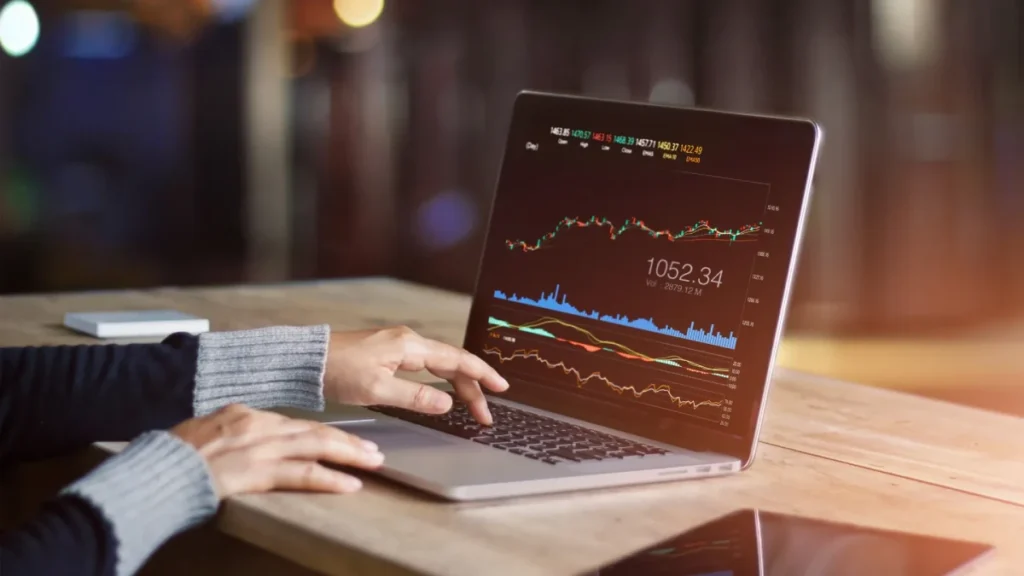
The stock markets in the United Arab Emirates were also shut down temporarily and closed for two days after increasing geopolitical tensions between Iran, Israel, and the United States. This measure was done on a precautionary basis to avoid panic selling and to enable the global conditions to settle down. During this period, investors, including Companies in Al Ain, pay close attention to developments before making financial decisions.
Impact of the Regional Tensions on Markets
The development of the conflict in the region posed uncertainty in the world financial markets. Oil prices were volatile, and there was a lack of investor confidence because of the threat of further expansion. Being a major financial city, the markets of the UAE are susceptible to these types of geopolitical threats, which is why the trading was cautious even after the reopening.
Market Performance After Reopening
The Dubai Financial Market and the Abu Dhabi Securities Exchange started trading with both positive and negative outcomes. The performance of companies in UAE was mixed, with some sectors such as banking and energy recording slight improvement, whereas other companies remained under pressure. The early trading sessions saw investors investing more in assets that are stable and low-risk.
Economic Stability and Investor Confidence
The high economic structure of the UAE was able to avoid serious losses, though the short-term disruption was experienced. Market stability was enabled by government policy, diversification of investments, and good financial reserves. According to experts, such factors were instrumental in bringing investors back on board within a short period after the trading started.
Role of Financial Institutions
Financial institutions, like Banks in Sharjah, helped retain liquidity and carry out market activities in a smooth way. Their intervention made the investors panic less and led to a slow recovery in the market. According to analysts, this will require further funding in case the tensions in the region continue to develop.
Future Outlook
The future of UAE markets is optimistic but not quite on the bright side. The temporary volatility could persist in the short term owing to the uncertainty surrounding the geopolitics, but the outlook in the long term is stable in case of an improvement in the situation. Investors are also supposed to remain watchful and make decisions depending on the regional and global developments.
For more updates and detailed insights about UAE businesses and financial markets, visit Ever List