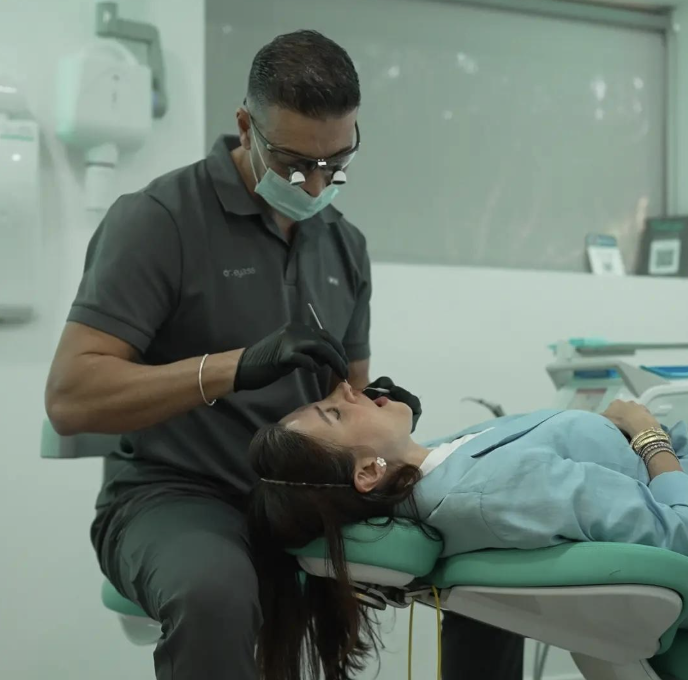
Dental problems do not always begin with pain. Tooth decay, gum inflammation, and enamel wear can develop gradually, sometimes remaining unnoticed until more extensive treatment becomes necessary. This is why preventive dentistry plays an important role in maintaining oral health throughout adulthood.
For people searching for a dentist in Umm Al Sheif, understanding how regular assessments and professional hygiene contribute to long-term dental wellbeing can help establish more effective healthcare habits. At Dental Studio Umm Al Sheif, the clinic where the Dental Studio journey began in 1976, preventive care combines clinical examinations, professional hygiene, and individual guidance aimed at identifying potential problems early.
Why Is Preventive Dentistry Important Even Without Symptoms?
Many oral health conditions develop progressively. Early tooth decay may not cause discomfort, while gum disease can advance with relatively mild symptoms. The absence of pain does not necessarily indicate healthy teeth and gums, making preventive examinations valuable even when patients have no immediate concerns.
Regular dental assessments allow clinicians to identify changes that may otherwise remain unnoticed. Small areas of enamel deterioration, early gum inflammation and signs of excessive tooth wear can often be detected before they become more complicated. Recognising these conditions early may provide opportunities for less extensive interventions or preventive management.
Prevention also involves understanding individual risk factors. Dietary habits, oral hygiene techniques, medical conditions and previous dental treatments can influence susceptibility to dental problems. An individual preventive strategy considers these circumstances rather than assuming that every patient requires identical care.
What Happens During a Preventive Dental Check-Up?
A preventive examination generally includes an assessment of the teeth, gums and surrounding oral tissues. The dentist evaluates existing restorations, checks for signs of decay and examines areas where plaque accumulation or inflammation may be present. Depending on clinical findings, dental radiographs or other diagnostic investigations may be recommended to assess structures that cannot be adequately examined visually.
The appointment may also involve discussing symptoms that patients do not immediately associate with dental disease. Bleeding gums, occasional sensitivity, persistent bad breath or changes in chewing comfort can provide useful information about oral health. Even minor concerns deserve attention when they occur repeatedly.
At Dental Studio Umm Al Sheif, preventive examinations are supported by digital diagnostic resources, including digital radiology and intraoral cameras. These technologies can assist clinical assessment when appropriate and help patients understand findings that may be difficult to recognise independently. Diagnostic tools support professional judgement, but their use should always be guided by individual clinical needs.
How Does a Dentist in Umm Al Sheif Help Prevent Gum Disease?
Gum disease is closely associated with the accumulation of bacterial plaque around the teeth and along the gumline. In its early stage, gingivitis may cause redness, swelling or bleeding during brushing. These symptoms should not be considered normal, even when they occur without significant pain.
If inflammation persists, susceptible individuals may develop periodontitis, a condition involving damage to the tissues supporting the teeth. Unlike uncomplicated gingivitis, periodontitis can lead to irreversible attachment and bone loss. Early recognition and appropriate periodontal management are therefore important for preserving dental stability.
Dental Studio Umm Al Sheif provides professional hygiene and periodontal care, supported by dental hygienists and periodontal expertise. Its available equipment includes AirFlow hygiene technology, which may be used for selected professional cleaning procedures. The choice of technique depends on the patient’s oral condition, and professional cleaning must be accompanied by effective daily plaque control.
How Often Should Professional Dental Cleaning Be Performed?
There is no single cleaning interval suitable for every patient. Although six-monthly appointments are commonly discussed, the appropriate frequency depends on factors such as gum health, plaque accumulation, previous periodontal disease and individual susceptibility to dental problems. Professional hygiene schedules should be personalised following a clinical assessment.
Patients with healthy gums and effective oral hygiene may have different maintenance requirements from those with periodontal disease or restorations that are difficult to clean. Smoking, certain medical conditions and difficulties maintaining adequate plaque control can also influence the recommended frequency of professional care.
During hygiene appointments, dental professionals remove deposits that cannot be adequately eliminated through ordinary brushing. They may also identify areas where plaque repeatedly accumulates and explain how to improve cleaning techniques. Professional cleaning complements home care, but it does not replace the need for consistent daily oral hygiene.
Can Preventive Dentistry Reduce the Risk of Tooth Decay?
Tooth decay develops when acids produced by bacteria contribute to the loss of minerals from dental enamel. Frequent exposure to fermentable carbohydrates, inadequate plaque removal and reduced saliva protection can increase the likelihood of this process. Preventing cavities requires attention to several contributing factors, rather than relying on brushing alone.
Fluoride toothpaste helps strengthen enamel and supports remineralisation of early mineral loss. Cleaning between the teeth can reduce plaque in areas that toothbrush bristles may not reach effectively. Dietary habits are also relevant, particularly the frequency of sugary foods and drinks throughout the day.
Preventive dental assessments can identify early changes before a cavity becomes extensive. Depending on the clinical situation, dentists may recommend improved hygiene, fluoride-based preventive measures or monitoring. Not every early enamel lesion requires immediate drilling, but appropriate management depends on its severity, activity and location.
Why Are Digital Diagnostics Useful in Preventive Dental Care?
Modern diagnostic technologies can provide additional information about dental structures and support the identification of certain oral health problems. Digital radiographs, for example, may reveal decay between teeth or changes around tooth roots that are not visible during a routine examination. Their use should be based on clinical indications, with attention to obtaining the necessary information while limiting unnecessary radiation exposure.
Intraoral cameras can help document visible dental conditions and support communication between patients and clinicians. Seeing an enlarged image of a damaged restoration or an area of concern may make preventive recommendations easier to understand. These visual records can also assist with monitoring selected changes over time.
Dental Studio Umm Al Sheif has access to digital radiology, panoramic imaging, intraoral cameras and three-dimensional diagnostic technology. However, advanced imaging is not routinely necessary for every preventive appointment. The appropriate examination depends on symptoms, clinical findings and the information required to make an informed decision.
What Daily Habits Make the Greatest Difference to Oral Health?
The effectiveness of preventive dentistry depends substantially on what patients do between appointments. Brushing twice daily with fluoride toothpaste helps control plaque and supports enamel protection. Cleaning between the teeth is also important because bacterial deposits can accumulate in spaces that are difficult to reach with a conventional toothbrush.
Technique matters as much as frequency. Excessive brushing pressure may contribute to gum irritation and tooth surface wear, while insufficient cleaning leaves plaque behind. Dental professionals can recommend suitable toothbrushes, interdental cleaning methods and fluoride products according to individual needs.
Diet and lifestyle also influence oral health. Frequent sugary snacks increase the number of acid attacks affecting enamel, while tobacco use is associated with increased periodontal risk. Consistent preventive habits can help reduce these risks, although they cannot eliminate every possible dental condition.
How Does Preventive Care Change With Age?
Oral health needs evolve throughout life. Younger adults may require particular attention to dietary habits, enamel protection and the early identification of gum inflammation. As patients age, existing restorations, gum recession, tooth wear and medical conditions may introduce additional preventive considerations.
Older adults can experience changes in saliva production, sometimes associated with medications or underlying health conditions. Reduced saliva flow may increase susceptibility to tooth decay and oral discomfort. Preventive assessments should account for these changes, particularly when patients have complex medical histories or difficulty maintaining daily hygiene.
The presence of crowns, bridges or dental implants can also influence maintenance requirements. Although these restorations do not develop decay in the same way as natural enamel, the surrounding tissues still require careful cleaning and monitoring. Long-term maintenance is essential for protecting both natural teeth and existing dental work.
Dentist in Umm Al Sheif: Prevention as a Foundation for Long-Term Dental Health
Preventive dentistry is not limited to routine cleaning or identifying cavities. It involves understanding individual risk factors, recognising early changes and establishing habits that support healthy teeth and gums throughout life. Regular examinations, professional hygiene and effective home care work together to reduce the likelihood of avoidable dental problems.
For patients considering a dentist in Umm Al Sheif, Dental Studio Umm Al Sheif represents a clinical setting where preventive assessments are supported by professional hygiene, periodontal care and diagnostic resources. Its approach reflects the importance of identifying problems before symptoms become severe and adapting recommendations to individual circumstances. Ultimately, long-term oral health depends on continuity of care, informed preventive decisions, and consistent attention to everyday dental hygiene.