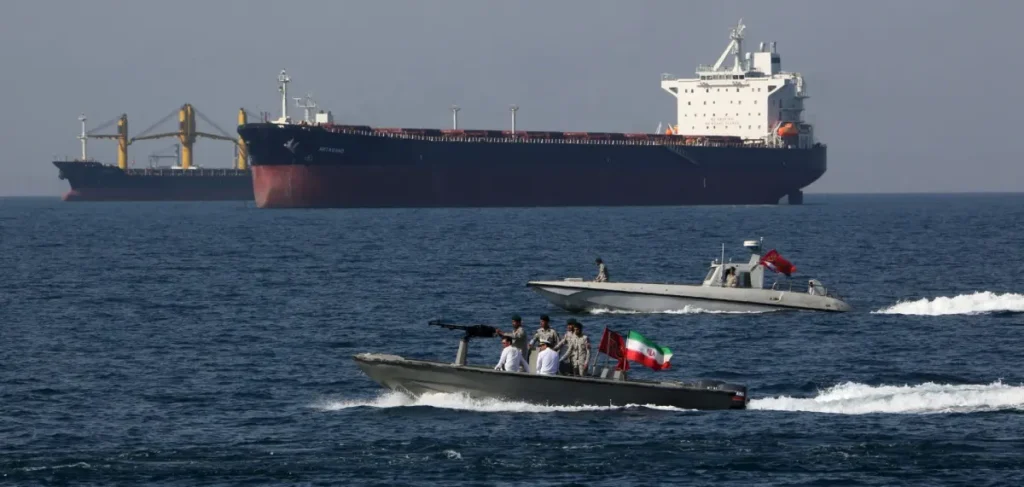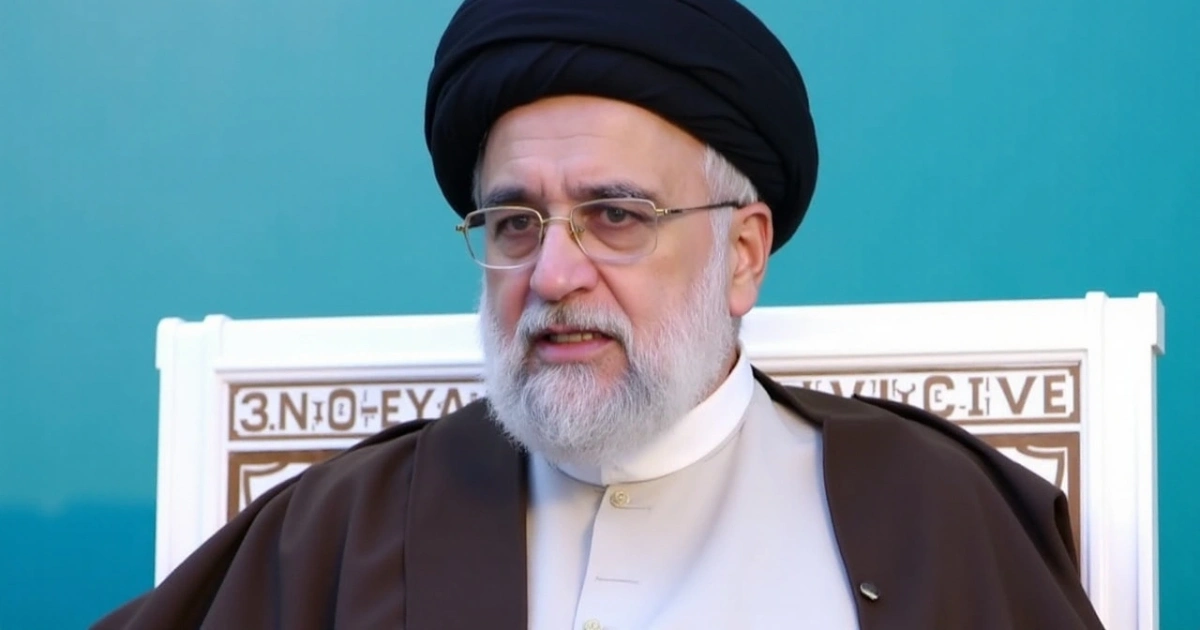
The second son of the late Supreme Leader Ayatollah Ali Khamenei is Mojtaba Khamenei, and he is the newcomer to be the successor of his father as the Supreme Leader in Iran. This comes at a time of intense tension in the Middle East, with ongoing conflicts involving Iran, the United States, and Israel. The region has been experiencing airstrikes and military confrontations, which have had a great bearing on the political choices of Iran.
The Succession Challenge
Recent hostilities that have resulted in the death of Ayatollah Ali Khamenei have left a gaping vacuum that requires new leadership. The Assembly of Experts (the clerical institution that has been entrusted with the role of choosing the Supreme Leader) has been busy debating the possible candidates who can lead the country out of these turbulent times. It has been reported that Mojtaba Khamenei has been able to win the backing of powerful interests, including the Islamic Revolutionary Guard Corps (IRGC), which has been central to the Iranian political and security interests.
The Background of Mojtaba Khamenei
Mojtaba Khamenei, aged 56, is a cleric who has been engaged in the religious and political systems of Iran for a long time. He has not been serving any significant formal positions in the government, unlike other Supreme Leaders of the past. But he has had contacts among the security agencies of Iran, and his influence behind the scenes has put him in a strong position in the leadership circles of the country. Observers state that his possible ascendancy is a deviation from the norms of tradition, since the Supreme Leader of Iran has traditionally been elected out of the senior religious scholars with long administrative experience.
Political and Community Reactions
The potential succession of Mojtaba Khamenei has cast doubt in and out of Iran. The Islamic Republic is not accustomed to passing the leadership to the son because the country is based on the principles that lead to the importance of religious merit rather than succession by the heir. This action is perceived by many pundits as a merging of power among the hard-line groups in the country.
Implications for the Future
The ascendancy of Mojtaba Khamenei comes at a time when the military pressure on Iran is taking its toll and the country is struggling with domestic political issues. It is quite likely that his leadership will affect the domestic policies, military strategies, and foreign relations of the country, especially with the United States and Israel.
Analysts suggest that the weeks to come will be critical because the Assembly of Experts decides to appoint and consolidate control under the new Supreme Leader. The coming months will show whether Mojtaba Khamenei can unify the country amid external conflict and maintain the influence Iran has sought in the region. For more updates and insights on this development, visit Ever List, which provides detailed coverage on Middle Eastern affairs.