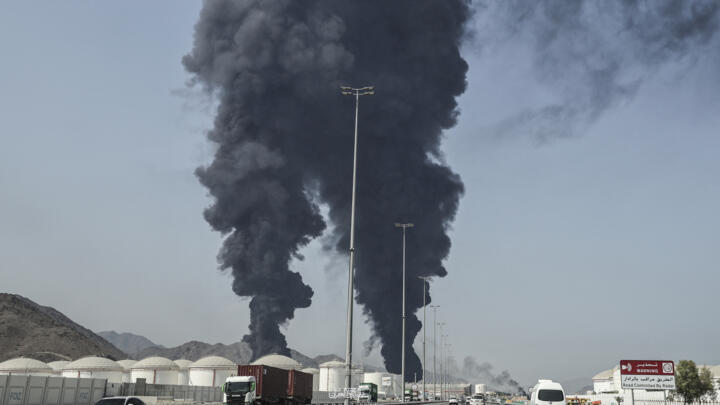
The conflict between the United States and Iran escalated sharply over the weekend of July 12 and 13, 2026. The US military launched another major wave of strikes on Iran, hitting dozens of targets across multiple locations. Iran responded with missile and drone attacks on military bases in Kuwait, Bahrain, Jordan, and Qatar. The Strait of Hormuz — one of the world’s most critical energy shipping routes — is once again at the centre of the crisis, with Iran announcing a fresh closure of the waterway. Here is everything UAE residents need to know today.
What the US Struck on July 12
United States Central Command (CENTCOM) confirmed it completed a new wave of precision strikes against Iran on July 12. The targets included Iranian air defence systems, coastal radar sites, missile and drone capabilities, and small boats linked to maritime operations in the Gulf. Fighter aircraft, naval vessels, aerial drones, and sea drones were all used in the operation. CENTCOM said the strikes were specifically designed to reduce Iran’s ability to target commercial shipping through the Strait of Hormuz, and stated that the waterway remains open for international shipping. Iranian state media reported explosions in several port cities, including Bandar Abbas, Sirik, and Jask, as well as Qeshm Island. A security official confirmed one person was killed and four others were injured after a projectile struck a water pumping station in Mahshahr County in Khuzestan province. Life in Dubai continues as normal, and residents looking for a great evening out can still explore options — check out the best Best Restaurants in Dubai for top dining choices across the city.
Iran Fires Back at Gulf States
Iran’s Islamic Revolutionary Guard Corps (IRGC) claimed a series of retaliatory attacks on military facilities across the Gulf region. In Kuwait, the IRGC claimed it targeted Ali Al-Salem Air Base and Ahmed Al-Jaber Air Base, saying it destroyed fuel tanks, Patriot air defence systems, and a strategic radar facility. In Bahrain, the IRGC claimed strikes on Sheikh Isa Air Base. In Jordan, Prince Hassan Air Base was targeted using missiles and drones, with Iran claiming fires broke out at fuel depots and ammunition storage areas. Jordan’s military confirmed three missiles from Iranian territory landed across the kingdom but said there were no casualties. Oman also reported drone attacks on sites in the Musandam region, with no casualties confirmed. Qatar reported three people, including a child, were injured by falling shrapnel. The UAE said its defence systems engaged Iranian missiles and drones. The National Emergency Crisis and Disaster Management Authority later confirmed the missile threats detected were outside the country’s borders. For families who want to stay indoors and enjoy a safe day out in a controlled environment, the top Shopping Malls In Dubai remain open with full family entertainment options.
Hormuz Closed Again — Oil Prices Jump
Iran announced another closure of the Strait of Hormuz on Sunday, July 13. The narrow waterway between Iran and Oman handles a significant share of the world’s traded oil and gas every single day. Iran said the closure would remain in place until “stability and calm” were restored — a condition that leaves the timeline completely open-ended. The US military maintained that shipping traffic was continuing through the strait under American protection. Oil markets reacted immediately. Brent crude rose more than 3 per cent to around $78.50 a barrel, while US crude prices also gained more than 3 per cent as traders priced in the risk of supply disruptions. The shipping incident off Oman added to the tension — Oman confirmed it rescued 23 crew members from a commercial vessel after a strike forced them to abandon the ship. India said one of its nationals remained missing from the incident involving the Cypriot-flagged vessel.
Diplomacy Stalls — Talks Break Down Again
Iran’s Foreign Ministry accused the United States of using overt and covert pressure to block progress in talks with Oman over arrangements for the Strait of Hormuz. Tehran said the latest US strikes had directly undermined diplomatic efforts that had been under way to reduce tensions. US President Donald Trump said Iran and the US had been close to reaching an agreement before the latest escalation, claiming Tehran had been ready to make concessions before a drone attack on a ship changed the situation. The United Nations Secretary-General António Guterres urged both sides to stop the renewed fighting, warning that further escalation could worsen regional instability across the Gulf and beyond. If you are planning a movie night at home or heading to the cinema while things settle down, check out the latest shows at the best Cinemas In Dubai for a relaxing evening with family.
What UAE Residents Should Do Right Now
The UAE government has confirmed that the country’s defence systems are active and functioning. The National Emergency Crisis and Disaster Management Authority is monitoring developments closely. For residents, the key steps are simple. Monitor airline and airport advisories before any travel, as regional airspace developments continue to evolve. Follow only official UAE and Gulf authority channels for verified information and avoid sharing unverified news. Keep important documents accessible. Be aware that rising oil prices could affect fuel costs and supply chains in the coming days. If you need to make urgent transfers, sort out payments, or access banking services during this period, having the right bank account matters — check the full list of Banks in Dubai to find the most convenient option near you.
This is a fast-moving situation. The latest US-Iran escalation on July 13, 2026 is one of the most serious in the Gulf since the ceasefire collapsed. Stay informed, stay calm, and follow official updates. For more news and useful UAE guides, visit Ever List.