Can You Drink Tap Water in Dubai? The Complete Honest Answer

Can You Drink Tap Water in Dubai - Ever List

When you move to Dubai or if you are a first-time visitor, one question you will always ask is, “Is it safe to drink the tap water in Dubai?” It’s a legitimate question. The answer is a little more involved than yes or no, anyway.

Dubai is an oasis city. It has practically no freshwater in its natural habitat. No rivers. No lakes. Barely any rainfall. But there are millions of folks who live there, visitors are dropping in by the thousands each day, and somehow water comes out of every tap in every home, hotel, and restaurant.

What is happening then? From where is the water coming? Is it safe? And do you really want to consume it? These are all questions answered clearly, honestly, and completely in this guide.

The Short Answer First

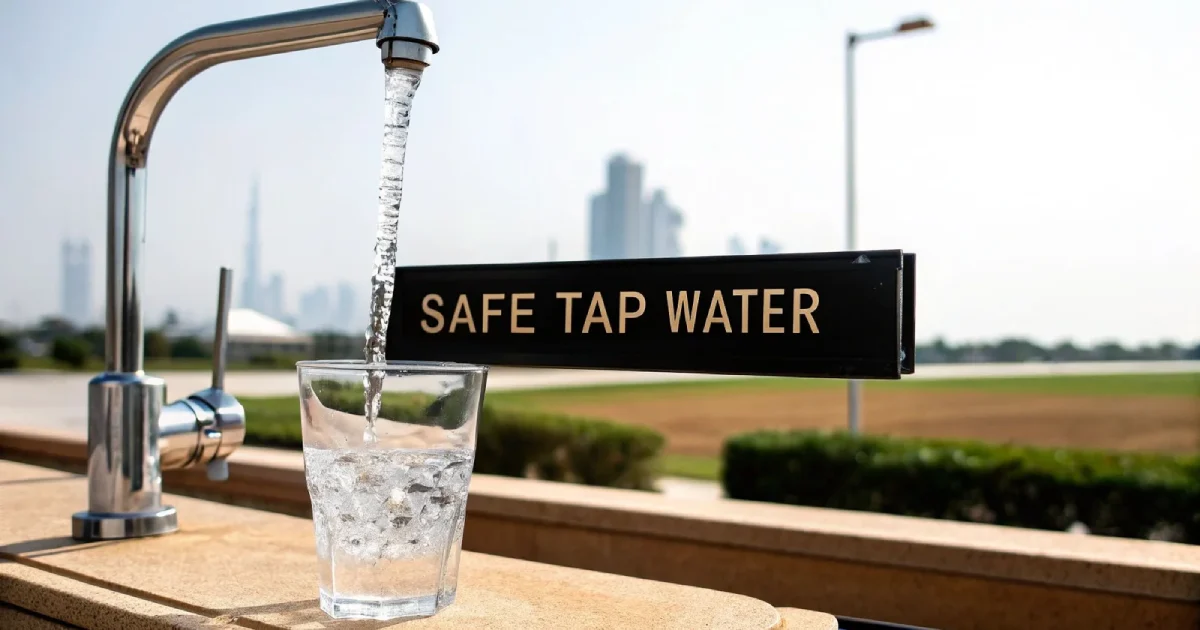
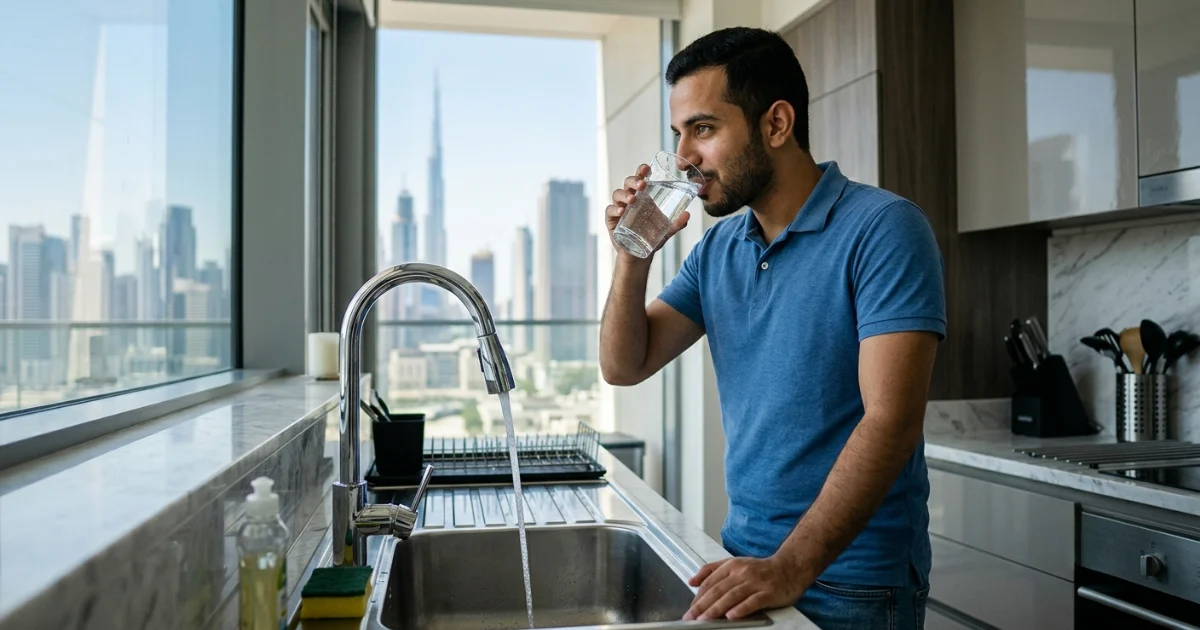
Yes, tap water in Dubai is 100% safe to drink.

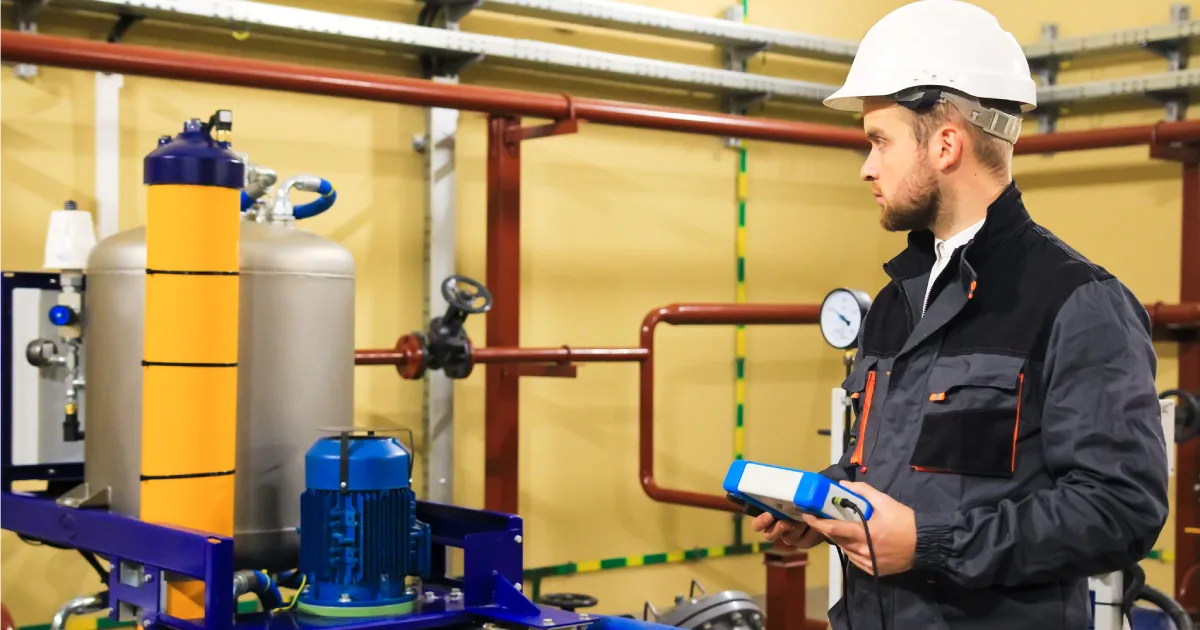
Dubai’s tap water is safe for consumption and complies with international safety standards. Before water reaches your home or hotel, the water is treated and tested by the Dubai Electricity and Water Authority (DEWA).

However, the thing most articles don’t tell you is:

Water treated by the treatment plant is safe when it is released from the treatment plant. What happens between the plant and your glass is a different story. And that distinction is significant. We’ll let you know precisely why in a brief moment.
Where Does Dubai’s Tap Water Actually Come From?

Can You Drink Tap Water in Dubai

This is where everybody is taken aback.

Dubai is located in one of the driest areas in the world. The Arabian Desert isn’t particularly known for its rivers and lakes. Where does a city with a population of more than 3.5 million people get its water? The solution is a procedure known as desalination.

What Is Desalination?

Desalination is the process of removing salt from seawater to make it drinkable. Dubai takes water from the Arabian Gulf, strips out the salt and other impurities, and turns it into clean, drinkable water.

It sounds simple. In reality, it is an enormous, energy-intensive industrial process, and Dubai does it at a massive scale.

Dubai relies on desalination for approximately 98% of its water supply. That makes it one of the most desalination-dependent cities in the entire world.

DEWA operates several large desalination plants along the coast, and the water produced is treated to meet World Health Organization (WHO) standards before it enters the distribution network.

Is Desalinated Water Safe?

Yes. Desalinated water is safe to drink if done correctly. Indeed, it can be purer than water from natural sources since most of the contaminants are removed during the desalination process, as well as the salt.

Like most developed countries in the world, the desalinated water is also chlorinated during distribution, which eliminates bacteria and other microorganisms.

At this stage, the water is actually clean and safe.

So Why Do Most People in Dubai NOT Drink Tap Water?

Can You Drink Tap Water in Dubai

Now comes the tricky part

Although the water is treated and safe upon leaving the desalination plants, it might have a very long journey from the plants to your tap.

The Pipeline and Storage Tank Problem

Dubai’s water distribution network is comprised of miles and miles of pipelines. Apartments, villas, hotels, and offices in Dubai have rooftop water tanks which store water before it is sent to each apartment.

It’s here that the problem starts.

If these storage tanks are:

  • Old or made of poor-quality materials
  • Not cleaned regularly
  • Avoid using equipment that is not maintained or is not sealed properly.

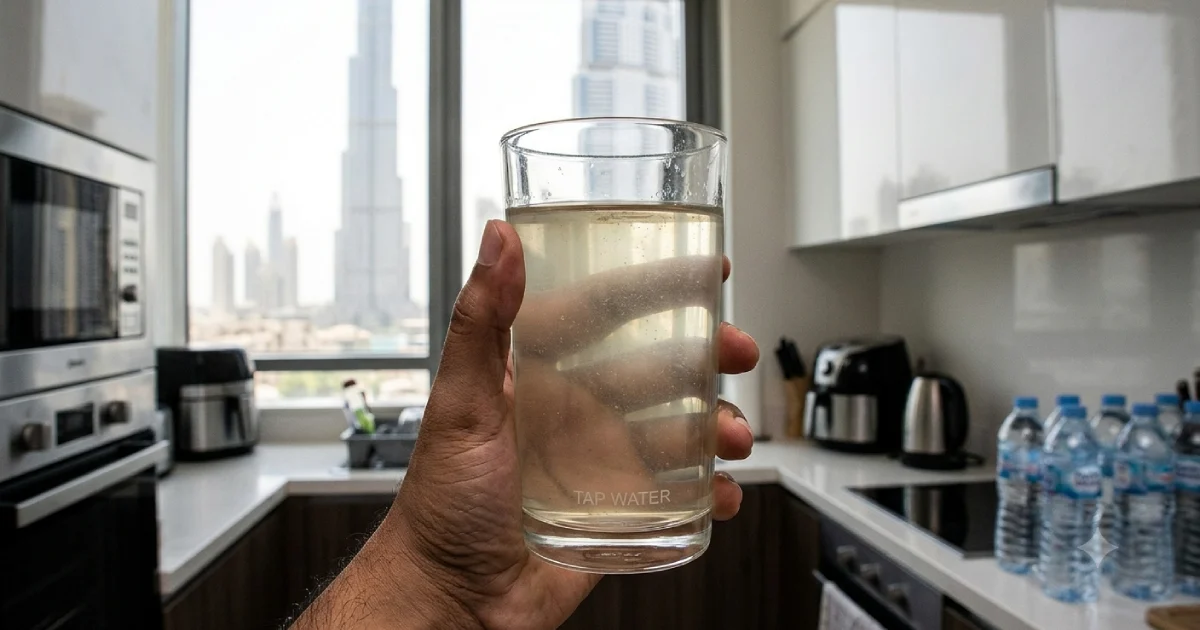
Even though the water is clear when it leaves the treatment plant, the water that is stored in them can become contaminated with bacteria, rust, sediments, or other impurities.

This is no exceptional circumstance in Dubai. It occurs in lots of nations. In Dubai, though, the temperatures during the summer months often reach 40°C or higher, and warm water in rooftop tanks can provide an environment for bacteria to multiply at a far greater rate than in cooler climates.

This is the primary reason why most of the residents or long-term expats in Dubai don’t want to drink water straight from the tap.

The Taste Issue

There’s another reason why people turn to drinking Dubai bottled water, and it’s a lot easier.

It’s not great-tasting water.

Despite the water being entirely free of harmful chemicals 100% of the time, many believe that Dubai’s tap water tastes slightly metallic or chlorine-like. Partly because of the chlorine treatment and partly because of the minerals left over from the desalination process.

It is not harmful. It’s simply not as pure and fresh as people would like.

What Do Dubai Residents Actually Do?

Walk into any home, apartment, or villa in Dubai, and you will find one or both of the following:

1. Bottled Water

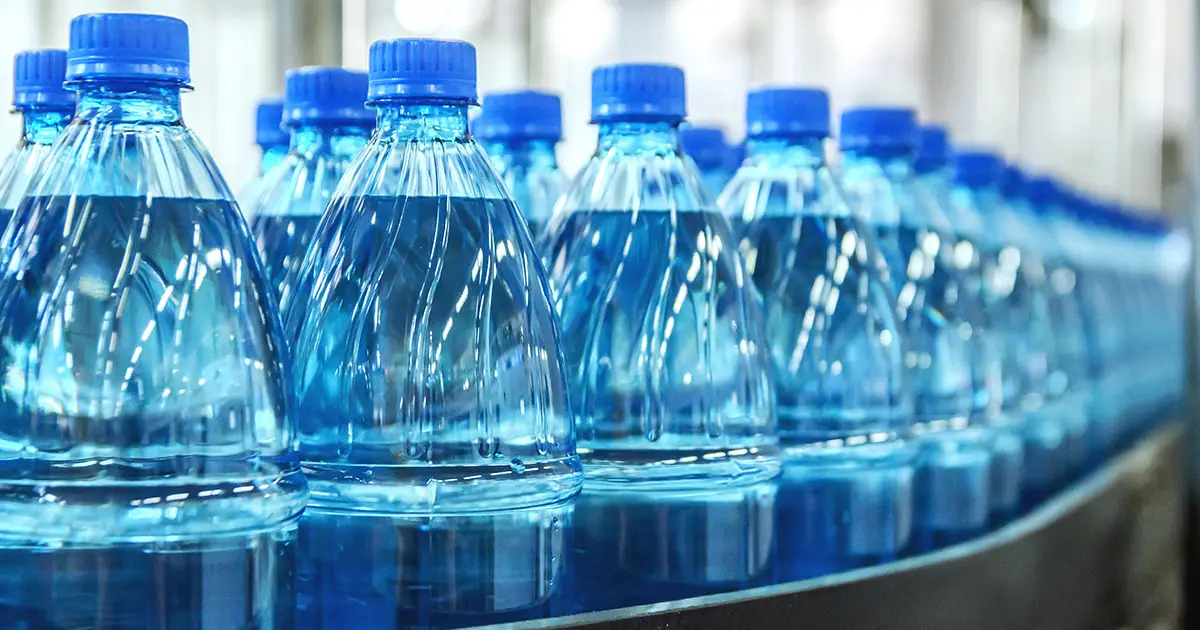
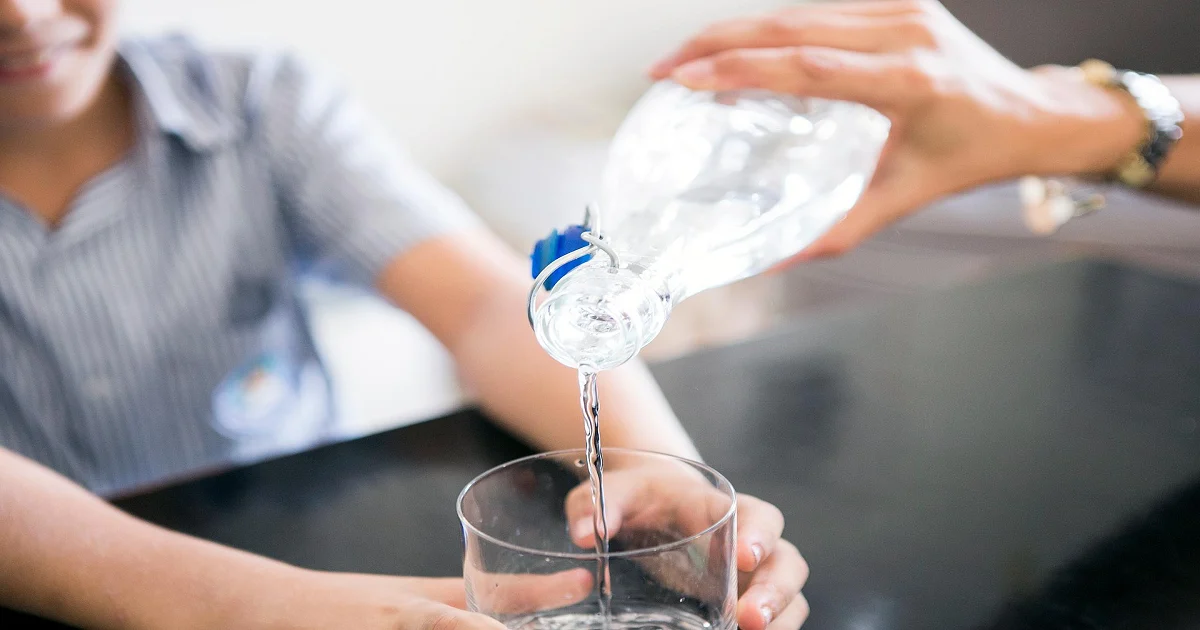
In Dubai, bottled water is ubiquitous. It is accessible, inexpensive, and can be purchased from any supermarket, convenience store, petrol station, and restaurant.

Some of the more popular brands that you will come across include:

  • Masafi: One of the popular local brands that comes from natural springs in the Hajar Mountains in the UAE.
  • Arwa: Popular local brand
  • Al Ain: A popular brand in the UAE

In addition to the local brands, most supermarkets stock international brands such as Evian, Volvic and Perrier.

The majority of inhabitants in Dubai use bottled water for their drinking needs, and the tap water is used for cooking and other non-drinking-related activities.

2. Water Filtration Systems

Home water filters are installed by many residents, particularly the long-term ones who have lived in Dubai for quite a while. These systems purify the tap water and get rid of any contaminants that may have been absorbed during the storage of the water in the storage tanks or pipes.

Popular options include:

  • Reverse osmosis (RO) filters: These filters are extremely effective and are installed in many homes in Dubai, especially those with under-sink RO filters installed.
  • There are also simpler and less expensive “countertop” filters available, which also work fine.
  • Whole-house filtration systems: Installed at the building level by some landlords and building managers

Given a good filter, tap water in Dubai is more than acceptable to drink, and there are lots of people who have filters who drink it with no problem.

Is It Safe for Tourists to Drink Tap Water in Dubai?

Is It Safe for Tourists to Drink Tap Water in Dubai

As a tourist in Dubai, here’s what you should do.

The water from the hotel tap is safe to drink. Most big hotels in Dubai use their water systems to high standards, and many even have their own filtration systems.

If you’re looking for a fail-safe option that won’t give you a stomach ache or leave you with an awful taste in your mouth, though, then you should avoid using tap water and go with bottled water.

Bottled water in Dubai is quite inexpensive and can be almost everywhere. In a supermarket, a 1.5-litre bottle of this would range from AED 1 – 3 (AED 25 – AED 80 USD) for each bottle. Even in a restaurant or hotel, it is not costly. Bottled water is the safest and easiest way to obtain water for short travel.

Is the Water Safe for Cooking?

Yes, absolutely.

All tap water in Dubai is safe for cooking. Even if the water source has become contaminated by old pipes or storage tanks, cooking with the water does not pose a great risk since any bacteria that was present are destroyed by the heat of cooking.

Most Dubai residents, even those who don’t drink a lot of tap water, are not afraid to consume it for:

  • Cooking pasta, rice and vegetables to a boil
  • Boiling to make tea and coffee (kills bacteria)
  • Be sure to wash fruits and vegetables.
  • Washing dishes

Is Tap Water Safe for Babies and Young Children?

Can You Drink Tap Water in Dubai

It is a question that many new parents ask in Dubai, and it’s a question that needs careful consideration.

The immune system of babies and young children is more sensitive than adults’. As a result, the majority of pediatricians and health authorities in Dubai recommend utilizing either:

  • Bottled water to use in baby formula/drinks
  • Water from a well-designed filtration system that is filtered

The danger does not always lie in the water in the source but in the contamination that may occur via older tanks and pipes. This may not create any problems in adults. For infants, the same water could potentially cause stomach problems. With young children, always use bottled water or filtered water. It’s the most secure choice.

What Does DEWA Say About Dubai’s Tap Water?

The Dubai Electricity and Water Authority (DEWA) regularly releases reports on the quality of water in Dubai.

According to DEWA:

  • The Dubai tap water meets and exceeds the standards set by the World Health Organization (WHO).
  • Water is continually sampled and tested at various locations in the distribution system
  • DEWA tests more than 100,000 water samples each year.
  • Water is safe to drink, cook, and use for domestic purposes.

DEWA also organizes public awareness programs urging householders to take care of their storage tanks, as the condition of the tank and pipes in the main distribution network is beyond their control.

The Role of Building Maintenance in Water Quality

The Role of Building Maintenance in Water Quality

As mentioned above, the state of the water storage tanks is a very important factor in the cleanliness of the water reaching your tap.

The government of Dubai has regulations that stipulate regular cleaning and maintenance for building owners’ water tanks. However, compliance varies. If you are a Dubai resident and concerned about the quality of the tap water, then you have these options:

Steps to Improve Your Tap Water Quality at Home

Discuss with your building management how often they clean the tank

Ideally, tanks should be cleaned and inspected at least twice a year. If the building management is unable to tell you when it was last performed, this is a red flag.

Run the tap for a few seconds before using the water

This drains out any stagnant water that may be in the pipes inside your apartment. Building water systems typically provide better water quality than stored water in indoor pipes.

Install a water filter

One of the best investments for a Dubai resident is an under-sink reverse osmosis filter. It will effectively remove all contaminants from the water, essentially, and leave it much tastier.

Check if there is discoloration or unusual smell

If your tap water appears cloudy, is discolored, or smells especially strong, stop drinking and alert the building manager right away. These are indications that the tank or pipes might have a problem.

Environmental Impact: The Bottled Water Debate in Dubai

Environmental Impact The Bottled Water Debate in Dubai

The following is a thought to consider.

An extraordinary amount of bottled water is used in Dubai. The UAE is one of the world’s leading per capita consumers of bottled water. I’m not kidding you when I say all those plastic bottles are very detrimental to the environment. Single-use plastic water bottles are a significant issue in plastic waste, which is a major problem in the world.

There is also some irony involved: Desalination to purify the water enough to drink requires a lot of energy, which results in carbon emissions. Then, because people don’t always believe that the water they get through the old pipes is clean, they purchase additional water in plastic bottles, adding to the waste.

That’s why many of the environmentalists and sustainability advocates in Dubai are advocating for:

  1. Improving water infrastructure in buildings.
  2. Increased use of home water filters.
  3. Water refilling stations that are available to the public.
  4. The reduction of the use of single-use plastic bottles.

Being environmentally conscious, it’s indeed the better option for the wallet to use a reusable water bottle with a good water filter or have a home filtration system, rather than disposable ones.

Dubai Water Quality Compared to Other Cities

Can You Drink Tap Water in Dubai

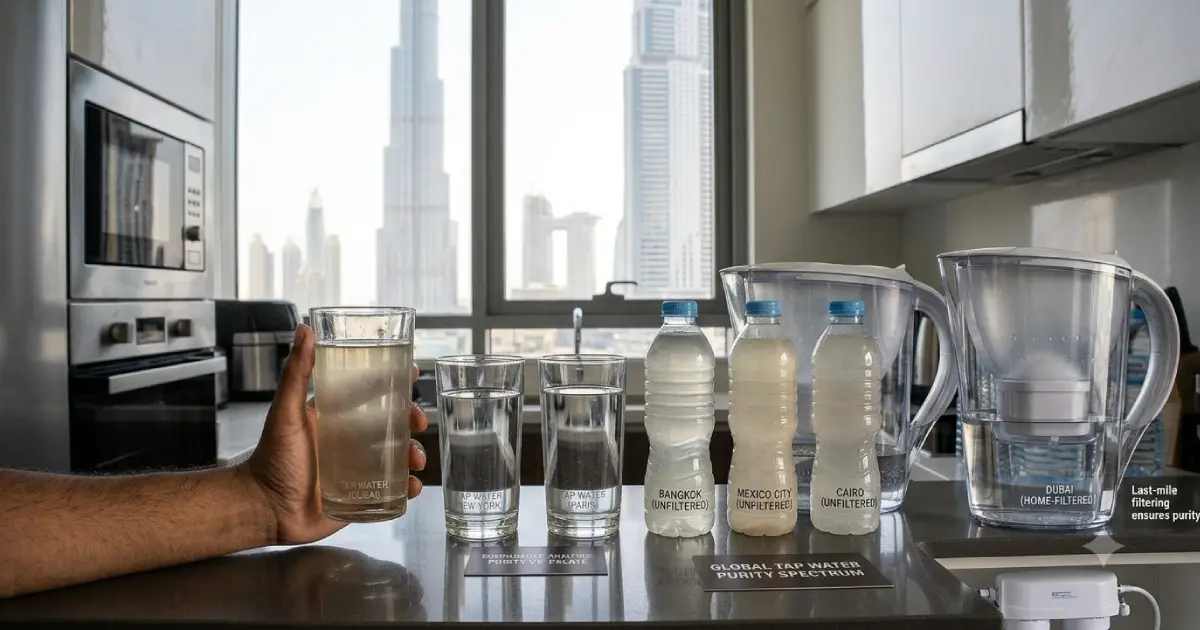
For perspective, it is important to understand that Dubai’s tap water is not as bad as other cities in the world. Tap water in most urban areas such as London, New York, Amsterdam, and Melbourne should be safe to drink straight from the tap. It’s freely consumed by most of the residents.

Tap water in various cities such as Bangkok, Jakarta, Cairo, and Mexico City is not recommended for drinking without filtering or treatment. Dubai is in the middle, and closer to the safe end of the spectrum. Water source water is really clean and safe. The uncertainty is due to last-mile delivery, building pipes, and storage tanks. This is a solvable issue, and numerous individuals in Dubai have settled the issue by utilizing home filtration systems.

The Bottom Line: Should You Drink Tap Water in Dubai?

Let’s conclude this with a clear and honest summary. The water used in Dubai is safe even before it is delivered. DEWA produces clean, treated, desalinated water to WHO standards. There is no doubt about it. The risk is that it will get there. Water quality between the plant and your tap can be impacted by old building tanks, poor maintenance, or hot temperatures.

Based on your situation, here are some recommendations:

  • If you are a tourist who is only staying for a short time: purchase bottled water. It is easy, inexpensive, and makes it easy to do.
  • If you are a new resident: use bottled water until you determine the quality of your building’s water system.
  • If you are a long-time homeowner: seriously think about investing in a home water filter. Over time, it will save you money on bottled water, reduce plastic bottles, and provide clean water with super taste on demand.
  • For children or infants: Bottled or filtered water for drinking and formula, all the time.

Dubai has spent billions of dirhams to enhance water infrastructure and continues to make investments in the systems to ensure their improvement throughout the year. The water is actually “safe” in international terms. You can drink it straight from the tap, or filter it at home, or drink bottled water, for all of which it is a personal choice, but now you have an abundance of information to choose the one that is right for you.

You Can Also Check Our More Helpful Guides:

FAQ

Can you drink tap water in Dubai?

Yes, you can drink tap water in Dubai. The water supplied by DEWA (Dubai Electricity and Water Authority) meets World Health Organization standards and undergoes extensive treatment and testing before reaching homes

Can you drink tap water in dirham?

In the United Arab Emirates (UAE), tap water is generally safe to drink. This is due to advanced desalination processes and strict water quality standards.

What water should I drink in Dubai?

There are important differences between tap waterand purified water: Safety Concerns: Yes, tap water in Dubai is thoroughly treated, but the storage and piping systems can still result in contaminated water. However, purified water removes any remaining contaminants and also provides an extra layer of protection.

Is the water in Dubai good?

Although the tap water in Dubai is sterilized and considered safe, the product in question, bottled water, has its pluses: Mineral balance: This is because the body requires some of the minerals like calcium and magnesium and some of the bottled water is enriched with these minerals and this makes healthy living.

Can you brush your teeth with tap water in Dubai?

Yes, in Dubai, you can brush your teeth using tap water. Majority of the population uses tap water to brush, wash and shower. In case you are much sensitive, then you can use bottled water as well.

Is it safe to drink tap water at a hotel?

Some of the most common contaminants found in hotel water can include: Lead – Often from old pipes and solder, especially in hotels built before 1986. Chlorine + DBPs – Chlorine is used to disinfect, but it can react with organic matter to form dangerous DBPs like trihalomethanes (THMs) and haloacetic acids (HAAs).

Leave a Reply

Your email address will not be published. Required fields are marked *

Fill out this field
Fill out this field
Please enter a valid email address.
You need to agree with the terms to proceed