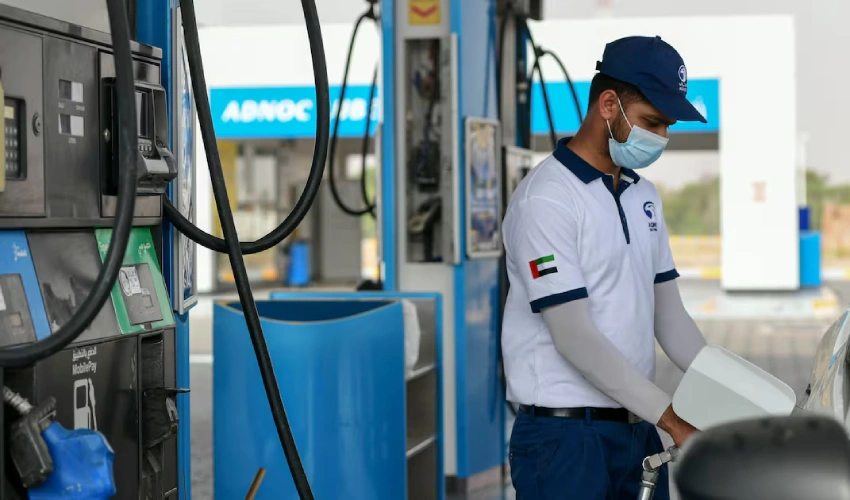
After four months of rising fuel prices, many UAE residents are wondering when they will finally get some relief at the pump. The good news is that global oil markets are showing signs of cooling. But experts warn that a big drop in fuel prices is not going to happen overnight. Here is a clear breakdown of what is happening and what to expect in the coming months.
Where Fuel Prices Stand Right Now
The UAE raised petrol prices again for June, taking Super 98 to Dh3.95 a litre, Special 95 to Dh3.83, and E-Plus 91 to Dh3.76. Diesel eased slightly to Dh4.33 per litre after reaching much higher levels in previous months.
Super 98 has climbed from Dh2.45 per litre in February to Dh3.95 in June — a jump of more than 61 per cent in just four months. For a typical driver filling a 60-litre tank, that means a fuel bill of about Dh237 today versus Dh147 in February — roughly Dh90 more every single time they refuel.
That is a significant hit on household budgets, and many residents are feeling the pressure. If you are looking for ways to manage your finances better during this period, it helps to explore the right banking options. Check out the best Banks In Abu Dhabi to find accounts and savings solutions that work for your situation.
Why Are Prices Still So High
The main reason fuel prices remain high is oil. Although crude prices have retreated from their recent peaks, they remain elevated because of continuing uncertainty surrounding the conflict involving Iran and the future of shipping through the Strait of Hormuz — a waterway that handles roughly 20 per cent of global oil supplies.
Recent optimism surrounding US-Iran negotiations and ceasefire efforts has helped push oil below $100 a barrel, and markets are increasingly betting that a diplomatic solution could eventually allow shipping flows to normalise. However, economists are clear that this process will take time and will not translate into immediate savings for motorists.
What Global Experts Are Saying
Gita Gopinath, Deputy Managing Director of the International Monetary Fund, said oil prices are unlikely to return quickly to the levels seen before the conflict. She said it will likely take until the middle of next year for oil to come back to around $70 or $75 a barrel, and that the effects will be felt well into next year.
That is a clear message for UAE residents — meaningful fuel price drops are most likely a 2027 story rather than something happening in the next few weeks. For now, managing daily expenses smartly matters more than ever. Using the right Credit Cards in Dubai with cashback or fuel rewards can help offset some of the extra costs you are paying at the pump every month.
The Risks That Could Push Prices Even Higher
Not everyone is optimistic about a smooth cooling of oil markets. Gopinath warned that markets may be underestimating the risk of a prolonged disruption. If the situation continues for another month, oil prices could rise to between $120 and $140 a barrel and stay there for much longer.
The OECD has also raised concerns, warning that the global economy remains highly exposed to prolonged energy disruptions. The organisation forecasts global growth slowing to 2.8 per cent in 2026 if Gulf oil exports return to pre-conflict levels later this year — and potentially as low as 2.1 per cent if disruptions continue into 2027. Residents living in busy urban areas like Downtown Dubai can consider using the Metro and public transport more often to cut down on fuel costs while prices remain high.
When Will Motorists Actually Feel Relief
Based on current forecasts, the most likely scenario is a gradual easing rather than a sharp drop. If Brent crude remains below $100 a barrel and tensions continue to ease, UAE fuel prices could begin seeing modest downward adjustments over coming months. A return to the much lower fuel prices seen at the beginning of 2026 is unlikely in the near term.
For more financial tips, local guides, and UAE news all in one place, visit everlist.ae and stay informed every day.