If there’s one thing every home and office in Dubai has in common, it’s sunlight. Lots of it, almost all year round, pouring through the floor-to-ceiling glass that defines so much of the city’s architecture. That’s exactly why curtains here do more than just decorate a window. They shape how a room feels, how well people can actually see their screens, and how comfortable a space is to spend hours in. Whether you’re dressing up in a living room or fitting out an office, the right curtains make a bigger difference than most people expect. Here’s what you need to know about both.
Living Room Curtains Dubai: Style Meets Sunlight
Your living room is usually the room with the biggest windows and the most sunlight, which means it’s also the room where curtains matter most. Here’s what’s actually working in Dubai homes right now.
The Wave Curtain Trend
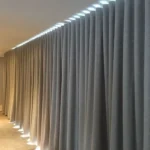
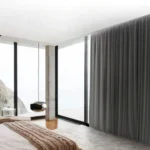
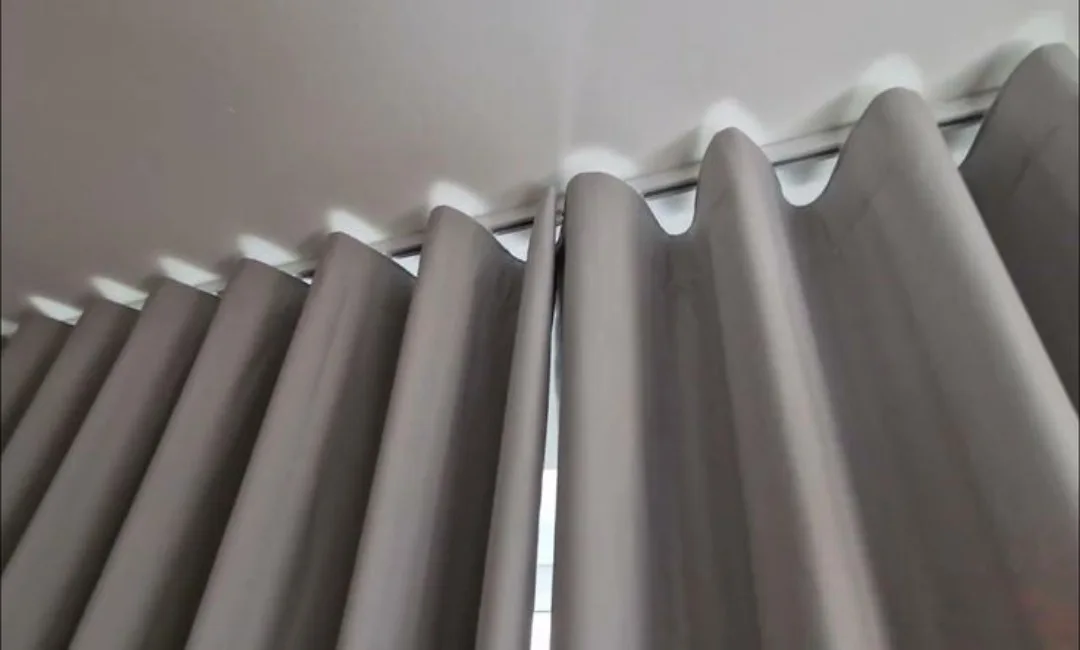
The look dominating Dubai living rooms at the moment is the wave curtain, sometimes called an S-fold. Instead of bunching up with visible rings or clips, the fabric falls in smooth, even folds from ceiling to floor. No hardware on show, just a clean, architectural line that suits Dubai’s love of modern interiors.
Layering Sheers with Blackout
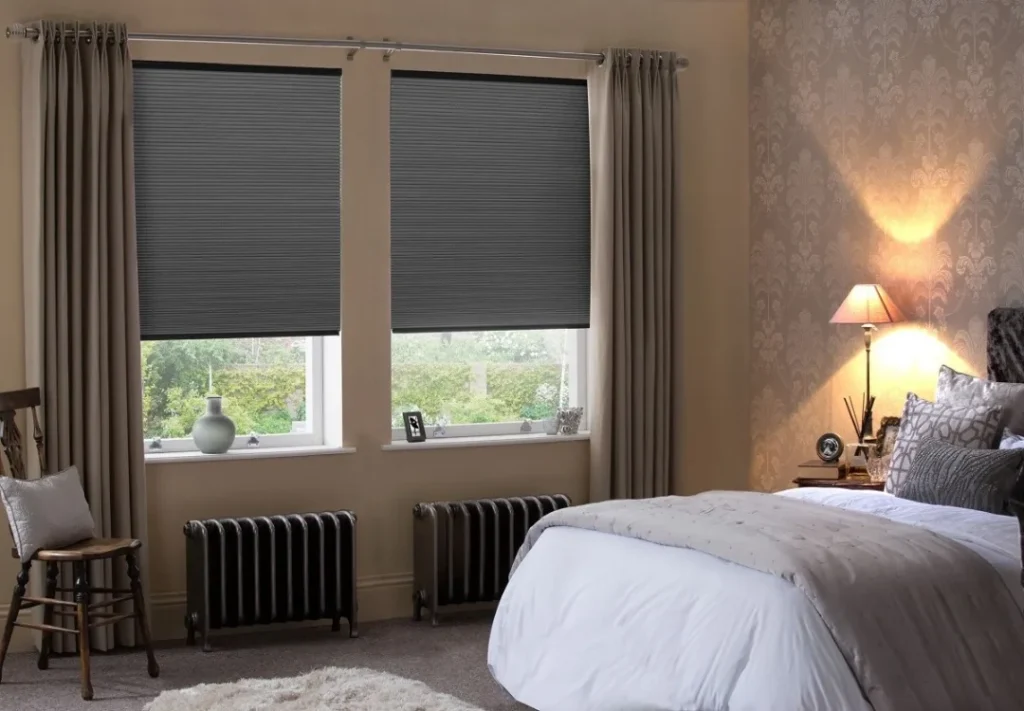
One trend worth copying is layering. A sheer curtain on its own looks lovely, but pair it with a blackout curtain behind it and you get the best of both. During the day, the sheer filters the sun into a soft glow, keeping the room airy without a wall of fabric blocking the view. At night, or whenever you want the room fully dark, the blackout layer takes over. It’s a simple setup that gives you real flexibility throughout the day, and it’s become close to a standard recommendation for Dubai living rooms.
Hang It High and Wide
Height matters too. Designers keep repeating the same advice: hang your curtains higher and wider than the window itself, and let them run all the way to the floor. It’s a small trick, but it makes ceilings look taller and rooms feel more spacious, especially in apartments where every bit of visual height counts.
Colors and Fabrics That Work
The mood has shifted toward warm, natural tones. Think sand, oat, soft terracotta, and muted sage, paired with breathable linen or cotton. These shades work well against the warm-neutral walls and furniture popular across Dubai homes right now, and linen especially has a relaxed, lived-in texture that suits both minimalist apartments and larger villa living rooms.
Motorized Living Room Curtains
If you want to take it a step further, motorized tracks are no longer just a villa luxury. Plenty of apartment living rooms now use them too, letting you open and close curtains with a remote or an app, which is especially handy for tall, hard-to-reach windows.
Office Curtains Dubai: Function First, Style Close Behind

Offices need a different mindset. The priority here isn’t just how a window looks; it’s how well people can actually work in the room.
The Glare Problem in Glass Towers
Dubai’s sun creates a very specific problem in glass-fronted office towers: glare that washes out computer screens and makes afternoons genuinely uncomfortable for anyone sitting near a west-facing window. That’s why Office Curtains in Dubai are an essential solution for reducing glare, improving comfort, and creating a more productive workspace. This isn’t a minor annoyance; it’s a daily productivity issue for anyone stuck at a desk facing the sun.
Sunscreen Roller Blinds for Open-Plan Spaces
For open-plan offices, sunscreen roller blinds are the go-to solution. They filter out the harshest light and cut glare significantly, while still letting people see outside and keeping the space feeling bright rather than closed in. It’s a practical middle ground that most commercial spaces in areas like Business Bay or DIFC end up choosing.
Blackout for Meeting Rooms and Private Offices
Meeting rooms and private offices usually call for something stronger. Blackout blinds or curtains are the standard here, especially where confidentiality matters or a screen needs to stay clearly visible during a presentation. Executive offices and boardrooms often lean toward curtains rather than blinds too, simply because fabric gives a more formal, polished finish that suits a higher-stakes room.
Fire-Rated Fabric: A Compliance Must
There’s a compliance side to office window treatments that’s easy to overlook. Commercial buildings in Dubai typically require fire-rated fabrics that meet Dubai Civil Defence standards, so if you’re furnishing an office, this isn’t just a style choice; it’s a safety requirement your supplier should be handling as standard.
Energy Savings You Can Measure
Untreated glass lets in a huge amount of heat, which pushes air conditioning to work harder all day. Well-chosen blinds or curtains can noticeably cut down on that heat gain, and for larger offices with dozens of windows, that adds up to a meaningful difference on the utility bill over a year.
Motorized Group Control for Large Floors
For bigger open floors, motorized group control is worth considering. Instead of adjusting dozens of individual blinds by hand, a synced system lets facilities teams manage entire floors with one command, or set them to adjust automatically as the sun moves through the day.
Final Verdict
So, living room curtains or office curtains, which one needs more thought? Honestly, both deserve it, just for different reasons.
For a living room, the goal is comfort and atmosphere. You have far more freedom to chase a look you love, whether that’s a wave curtain in warm linen or a layered sheer-and-blackout combo, since the biggest risk is simply picking a color you get tired of. This is the space to prioritize style, texture, and how a room makes you feel when you walk into it.
For an office, the goal is performance. Style still matters, especially in boardrooms and executive spaces. Still, glare control, fire safety compliance, and energy efficiency aren’t optional extras; they’re the actual job the window treatment needs to do. Get those basics right first, and let the polish follow.
If you only take one thing from this guide, make it this: match the curtain to the room’s real job before you match it to your taste. A beautiful curtain that doesn’t block afternoon glare, or a compliant blind that looks completely out of place in a boardroom, both miss the point. Get the function right, and in Dubai’s case, the style tends to follow naturally.